

By Kawther Abuelgasim Obeid Sharfi
Chad has one resource in abundance: sunshine.
From N’Djamena to smaller towns and rural communities, the sun shapes daily life and the landscape. Yet reliable electricity remains a challenge.
That contrast will feature in Chad’s economic message in Paris, where government officials are meeting French businesses and investors at the Chad-France Business Forum on September 25.
The forum is linked to the government’s Chad Connexion 2030 development plan. It brings together Chadian officials, businesses and potential investors to discuss opportunities across several sectors.
The government is presenting opportunities in agriculture, transport, mining, health and education. Energy cuts across all of them.
Without reliable power, economic activity faces major limits. Health facilities need electricity to refrigerate vaccines and operate equipment. Students need light to study after sunset. Small businesses need power to refrigerate food and drinks and run basic equipment.
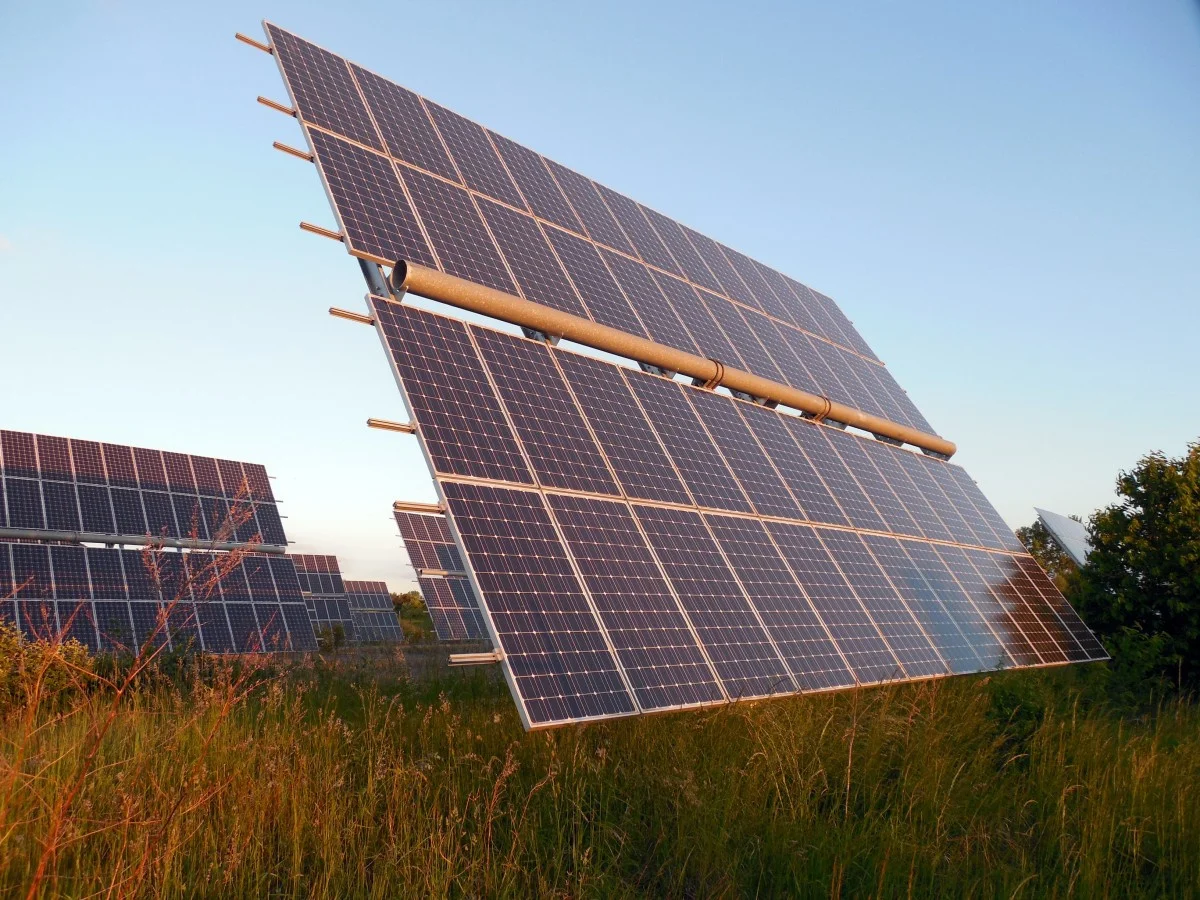
For Chad, solar power is increasingly emerging as a practical option to address this long-standing challenge.
A big target, a difficult task
Chad’s energy ambitions are significant.
Under Chad Connexion 2030, the country aims to expand electricity access and generation capacity. It also plans to increase the share of renewable energy in its electricity mix.
The International Renewable Energy Agency has highlighted Chad’s plans to expand mini-grids and solar systems. The country also needs to strengthen local skills and maintenance capacity to support these investments.
Solar is already changing the picture
Chad’s solar potential is not only theoretical.
According to Ember, new solar installations planned for 2026 could add electricity generation equivalent to about 11 percent of Chad’s annual electricity generation. The country is among ten African countries where new solar capacity is projected to contribute more than 10 percent of annual generation this year.
However, adding solar capacity is only part of the challenge.
The bigger test is whether that electricity reaches households and businesses consistently and at an affordable cost.
What investors will be watching
The Paris forum gives Chad an opportunity to present energy investment as part of a wider economic strategy.
Chad Connexion 2030 includes hundreds of planned projects across several sectors. Energy remains a key priority as the government seeks to expand electricity access and improve services.
Investors will also assess the challenges. These include project financing, regulation, grid capacity and long-term returns.
For Chadian authorities, the objective is to attract partners who can help turn planned projects into functioning infrastructure.
Chad has no shortage of sunlight. The challenge is turning that natural resource into reliable electricity that reaches the people and businesses that need it.
