


By Djinodji SOLMENGAR Rodrigue
Agricultural engineer Bahar Ahmat Bahar says the country has entered a “critical zone.” He says Chad is not yet facing an agricultural crisis.
Bahar is the founder of Agro Bahar Tchad. He spoke to MRTV English about the impact of the delayed rains.
He linked the changing rainfall patterns to climate change. He said the situation is affecting planting periods and increasing risks for farmers.
“The situation is really related to climate change,” Bahar said.
Short-cycle crops
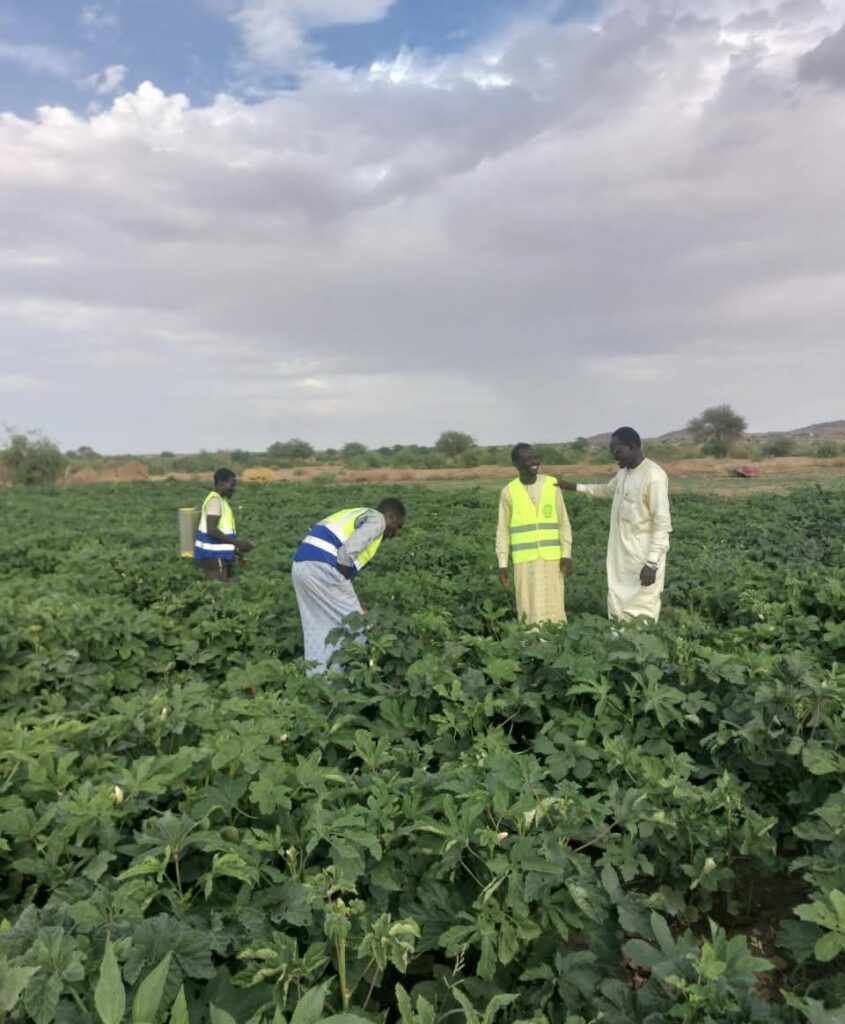
Bahar said grain production faces some of the greatest risks. He highlighted crops such as sorghum, which contribute to local food supplies.
He urged farmers to adapt their planting decisions. He recommended short-cycle crops that can mature within a shorter period.
Bahar also called for a balance between food crops and cash crops. He said farmers should not focus only on crops such as cotton.
He said food production must remain a priority.
“Plan cotton for your pockets and plan sorghum and rice for your stomach,” Bahar said.
He also urged farmers to store part of their harvest collectively. He said storage can give farmers more flexibility when market prices change.
Bahar also encouraged farmers to work in groups. He said collective action can help farmers manage production and respond to difficult conditions.
Concerns over food imports
Bahar warned that lower local production could increase Chad’s dependence on food imports.
He said a drop in domestic production could create a supply gap. Imports would then have to fill that gap.
He also warned that imports could affect food prices.
Bahar pointed to national food stocks as a source of reassurance. He said existing reserves could help cover some needs if production falls.
He also linked food security to national and economic security.
For him, protecting local agricultural production should remain a priority.
Government support
Bahar called for stronger government support for farmers during the current season.
He wants the government to distribute improved seeds. He also called for stronger agricultural extension services.
Bahar said farmers need timely information on changing weather and farming practices.
He suggested using radio, television and WhatsApp to reach farmers.
He also called for more agricultural training. Such support, he said, can help farmers respond to production risks.
“Government should work harder and improve for them a lot of things,” he said.
‘We are not in crisis yet’
Despite his concerns, Bahar urged Chadians not to panic.
“We are not in crisis now, but we are in a critical situation,” he said.
His message is one of adaptation and collective action.
He wants farmers to adjust their planting decisions. He also wants them to consider short-cycle crops and protect food production.
For the government, he says the priorities should include seeds, training and agricultural information.
