
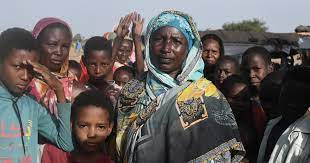

Chad is witnessing another surge of Sudanese refugees as violence escalates once again in Darfur. After fresh attacks struck El Fasher on 24 October, more than 7,600 people from 2,767 families fled toward the Chadian border, according to a UNHCR Flash Update. Many made the journey after days of hiding, hoping to escape a conflict that spread quickly across the region.
Most refugees entered Chad through three major border routes. To start, 61% crossed via Oure Cassoni – Bahai – Kariari (Ennedi Est). Meanwhile, another 28% passed through Tiné (Wadi Fira). Finally, 10% entered by Adré/Adikong (Ouaddaï).
Between 11 and 17 November, UNHCR teams registered 1,881 new arrivals, showing that the movement continues despite insecurity inside Sudan.
New data collected on 17 November highlights the scale of humanitarian needs. Specifically: 16.6% have protection concerns, 50% are unaccompanied or separated children, 29% are elderly, 14% have disabilities, and 3.5% suffered bullet wounds.
Additionally, many fled areas hardest hit by recent attacks—Birdic (41%), El Fasher (32%), and Ambaru (18%).
Transit Sites Struggle as Relocations Intensify
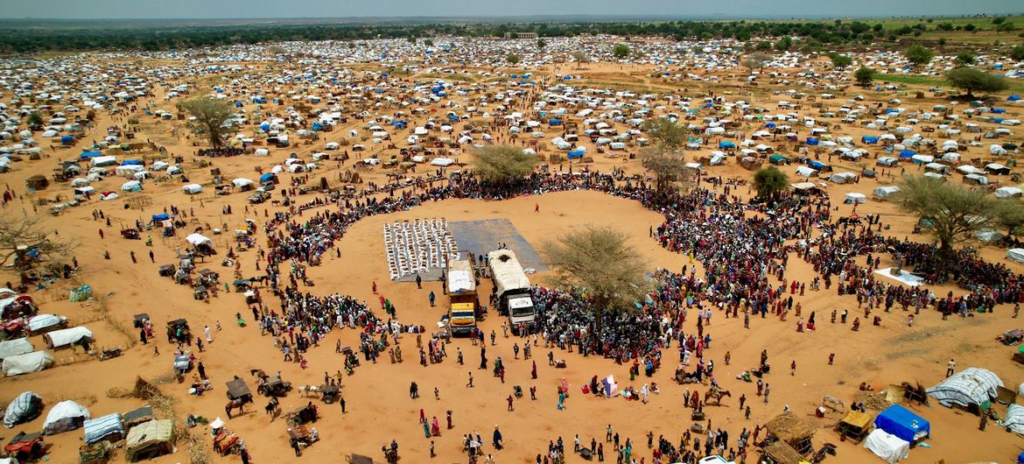
The rapid influx continues to overwhelm Chad’s transit sites. Over the last three months, UNHCR relocated 20,849 refugees from Birak and Koulbous to Marassabre in Wadi Fira.
At the same time: Touloum resumed relocations from Tiné and moved 2,500 people. In Adré–Farchana, 1,013 refugees were relocated in five days, although 1,750 remain on waiting lists.
Because of these delays, frustration is growing among families waiting for shelter and transport. Moreover, several sites face shortages of tents, latrines, water points, shade, and basic protection against harsh weather.
Chad Now Shelters Over 1.4 Million Refugees
Chad currently hosts 1,463,233 refugees and asylum seekers, most of them escaping Sudan’s war. Since January 2025, 166,973 Sudanese refugees have crossed into the country, adding to the more than 890,000 who arrived since the conflict erupted.
However, humanitarian agencies warn that the response is underfunded. Only 36% of the 2025 appeal is financed, forcing aid groups to scale back essential services.
UNHCR notes also that fewer refugees cross the border from Friday to Sunday. Instead, many families choose weekdays after calling relatives who remain inside Sudan to check for calmer travel windows. As a result, refugee movements often align with reports of temporary pauses in nearby fighting.
Health and Protection Risks Continue to Rise
Because transit sites are overcrowded and poorly equipped, health risks are increasing. Humanitarian teams warn of potential outbreaks of waterborne diseases, rising malnutrition among children, and growing protection threats involving women and unaccompanied minors.
Aid workers emphasize that, unless support increases soon, living conditions in eastern Chad could deteriorate rapidly.
(Manara Radio & Television – English)
