
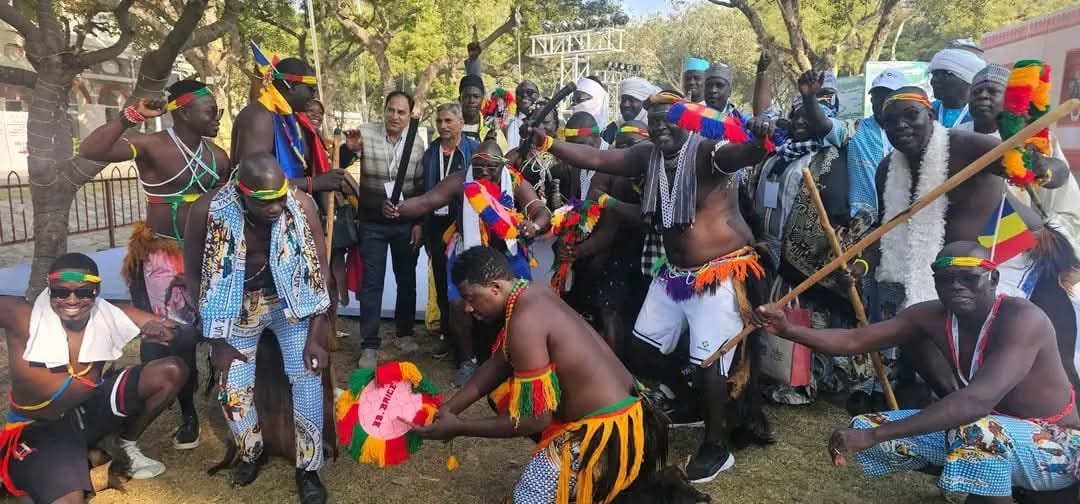

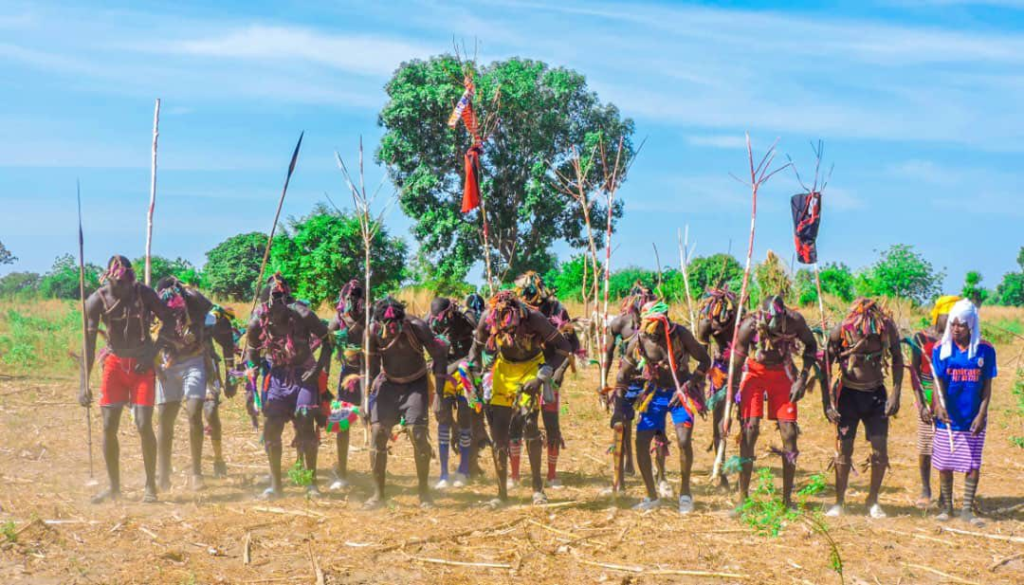
The Guruna pastoral tradition of the Massa communities in Chad and Cameroon has been inscribed on UNESCO’s Intangible Cultural Heritage List, marking a historic first for Chad.
A Historic UNESCO Recognition for Chad and Cameroon
The Guruna UNESCO heritage Chad Cameroon milestone marks a major cultural victory for both countries. UNESCO officially inscribed the Guruna tradition on its Representative List of the Intangible Cultural Heritage of Humanity during the organization’s 20th Intergovernmental Committee session in New Delhi, India.
Notably, this decision represents Chad’s first-ever inscription on UNESCO’s intangible heritage list. At the same time, it underscores a shared cultural legacy with Cameroon, where Massa communities also practice and preserve Guruna.
What Is the Guruna Tradition?
Guruna is a pastoral, sociocultural, and artistic practice centered on cattle, deeply rooted in the daily life of the Massa people. More than livestock management, it expresses:
- social organization,
- cultural identity,
- artistic expression,
- and intergenerational knowledge transmission.
Moreover, the practice reflects values of solidarity, respect for nature, and community cohesion, which UNESCO highlighted as central to its inscription.
A Cross-Border Heritage Symbol
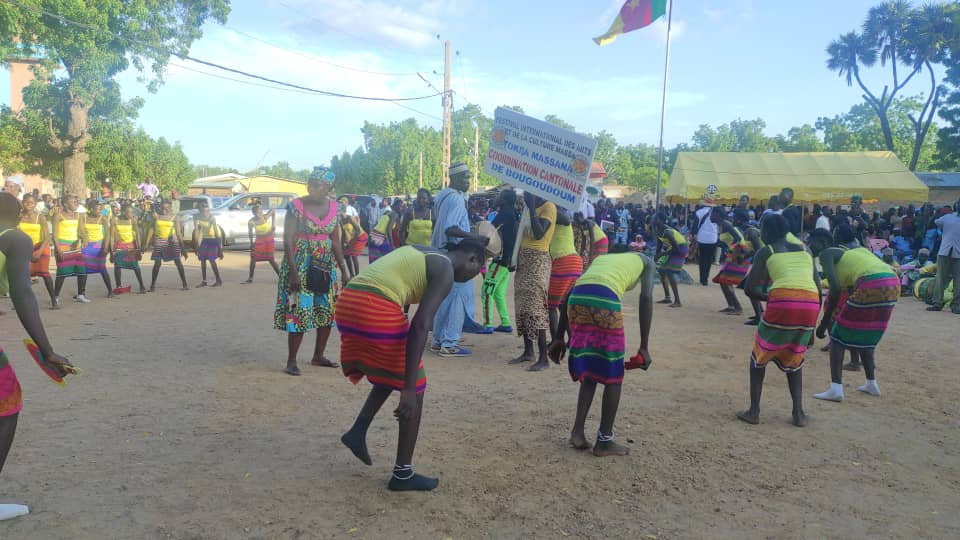
Importantly, the Guruna UNESCO heritage Chad Cameroon listing recognizes a living tradition shared across national borders. For UNESCO, this cross-border dimension strengthens cooperation while promoting peaceful cultural exchange.
As a result, both countries now share responsibility for safeguarding Guruna. This includes documentation, education, and transmission to younger generations.
Why the Inscription Matters
For Chad, this recognition is historic. It places the country firmly on UNESCO’s cultural map for the first time in the intangible heritage category. For Cameroon, it reinforces its long-standing role in protecting living traditions.
More broadly, the inscription:
- boosts cultural diplomacy,
- promotes tourism potential,
- and validates indigenous knowledge systems.
Furthermore, it gives international visibility to communities that have preserved Guruna for generations, often with limited resources.
Celebrating the Massa Communities
Ultimately, this achievement belongs to the Massa communities of Chad and Cameroon. Their commitment ensured Guruna’s survival in a changing world.
Today, both nations celebrate not only a UNESCO listing, but also a shared cultural future, rooted in tradition and carried forward together.
(Manara English)
