

By Djinodji SOLMENGAR Rodrigue
The race to lead the world’s largest French-speaking organisation is heating up. On June 30, Paris hosted an extraordinary Ministerial Conference of the Francophonie. Ministers and senior diplomats showed up from across the 88-member organisation. Their mission: hear directly from the four candidates chasing its top job.
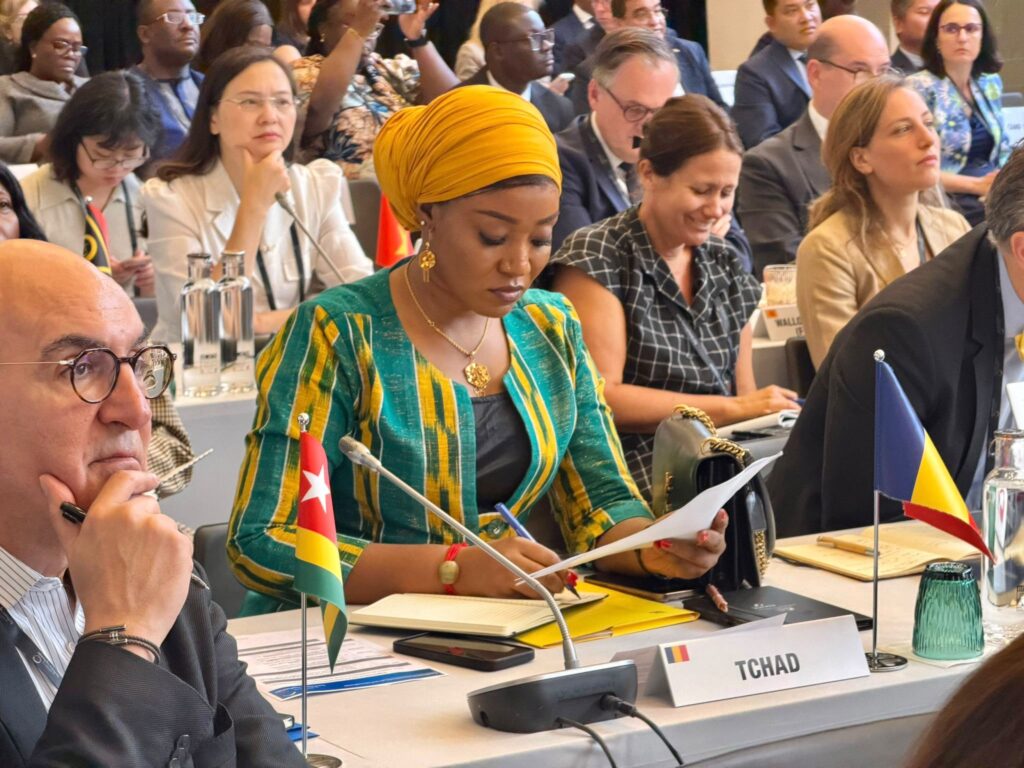
Ambassador Amina Priscille Longoh represented Chad at the discussions. She stepped in for Minister of State and Foreign Affairs Dr Abdoulaye Sabre Fadoul.
Four Candidates, One Seat
Sources on the ground reported that candidates laid out their vision, priorities, and strategic direction for the 2027–2030 mandate. Then they faced a round of sharp questions from delegation heads.
The four candidates currently in the running are:
- Coumba Bâ — Mauritania
- Dacian Cioloș — Romania
- Juliana Amato Lumumba — Democratic Republic of Congo
- Louise Mushikiwabo — Rwanda, the incumbent seeking a second term
Ministers Deliberate Behind Closed Doors
After the hearings, ministers moved into a closed-door session. There, they examined recommendations drawn from the day’s exchanges. This step is critical. It helps narrow down the field before the final vote in November.
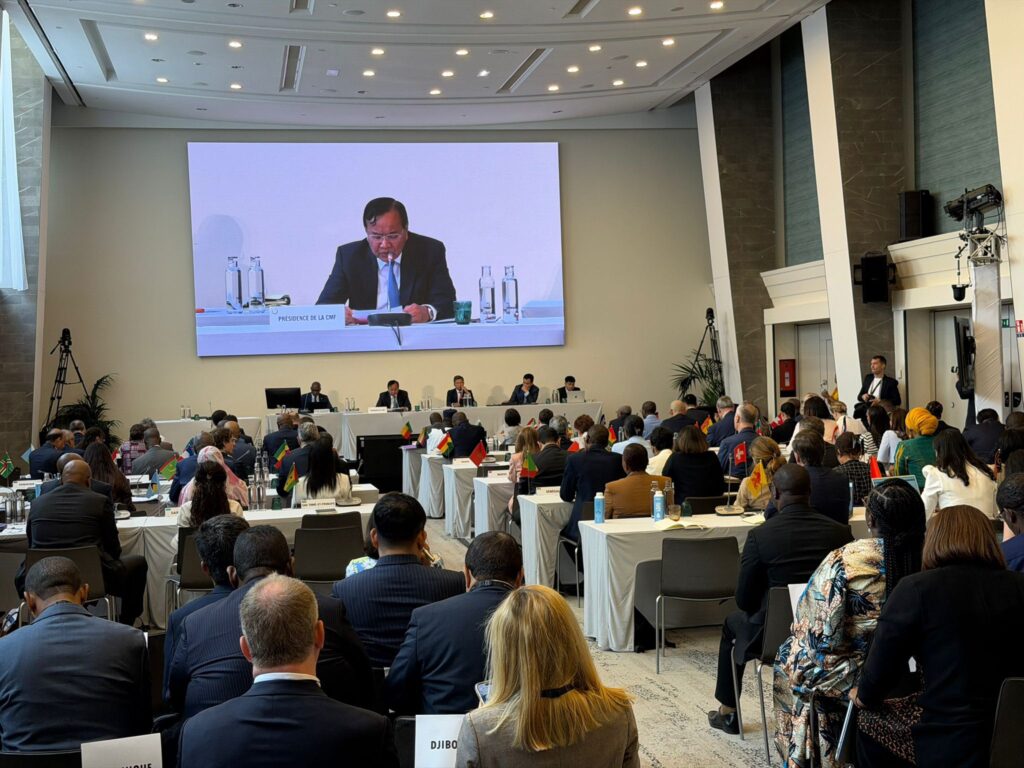
The process, organisers say, reflects a commitment to dialogue, consultation, and transparency among member states.
The Final Call: Phnom Penh, November 16
Tuesday’s session, however, does not settle anything yet. Ultimately, the decision rests with heads of state and government from the organisation’s 53 full member countries. They will cast their votes at the 20th Francophonie Summit in Phnom Penh, Cambodia, on November 16, 2026.
