

By Djinodji SOLMENGAR Rodrigue
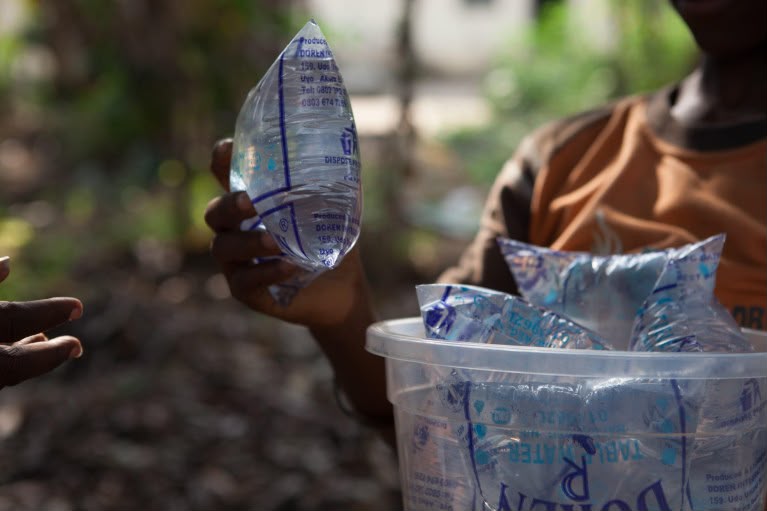
The sachet water ban in Chad has sparked debate over public health and access to affordable drinking water. The Ministry of Commerce has prohibited the production, distribution and sale of sachet water nationwide, while giving producers and distributors 30 days to comply with national health and quality standards before sanctions take effect.
According to the ministerial order, the measure seeks to address the fact that sachet water ‘does not comply with the health and quality standards in force.” Businesses that fail to comply after the transition period risk product seizures, administrative closure and other penalties provided by law.
Public Health and Affordable Drinking Water
For many households, sachet water remains one of the cheapest and most accessible sources of drinking water. It is widely available in markets, neighbourhood shops and along busy streets, making it an everyday purchase for thousands of consumers.
If the ban is fully enforced after the 30-day compliance period, a question follows: what affordable alternatives will be available to consumers?
The order explains how authorities intend to enforce the new rules. It does not, however, specify what options households will have if sachet water disappears from the market before compliant products become available.
The Next 30 Days
The transition period gives producers and distributors an opportunity to meet national standards. It also gives authorities time to inform the public and prepare enforcement measures.
The success of the sachet water ban in Chad will ultimately depend on more than inspections and sanctions. It will also depend on whether consumers can continue to access safe drinking water at prices they can afford.
