

By Djinodji SOLMENGAR Rodrigue
The Third General Population and Housing Census, known as RGPH-3, has ended its nationwide field data collection.
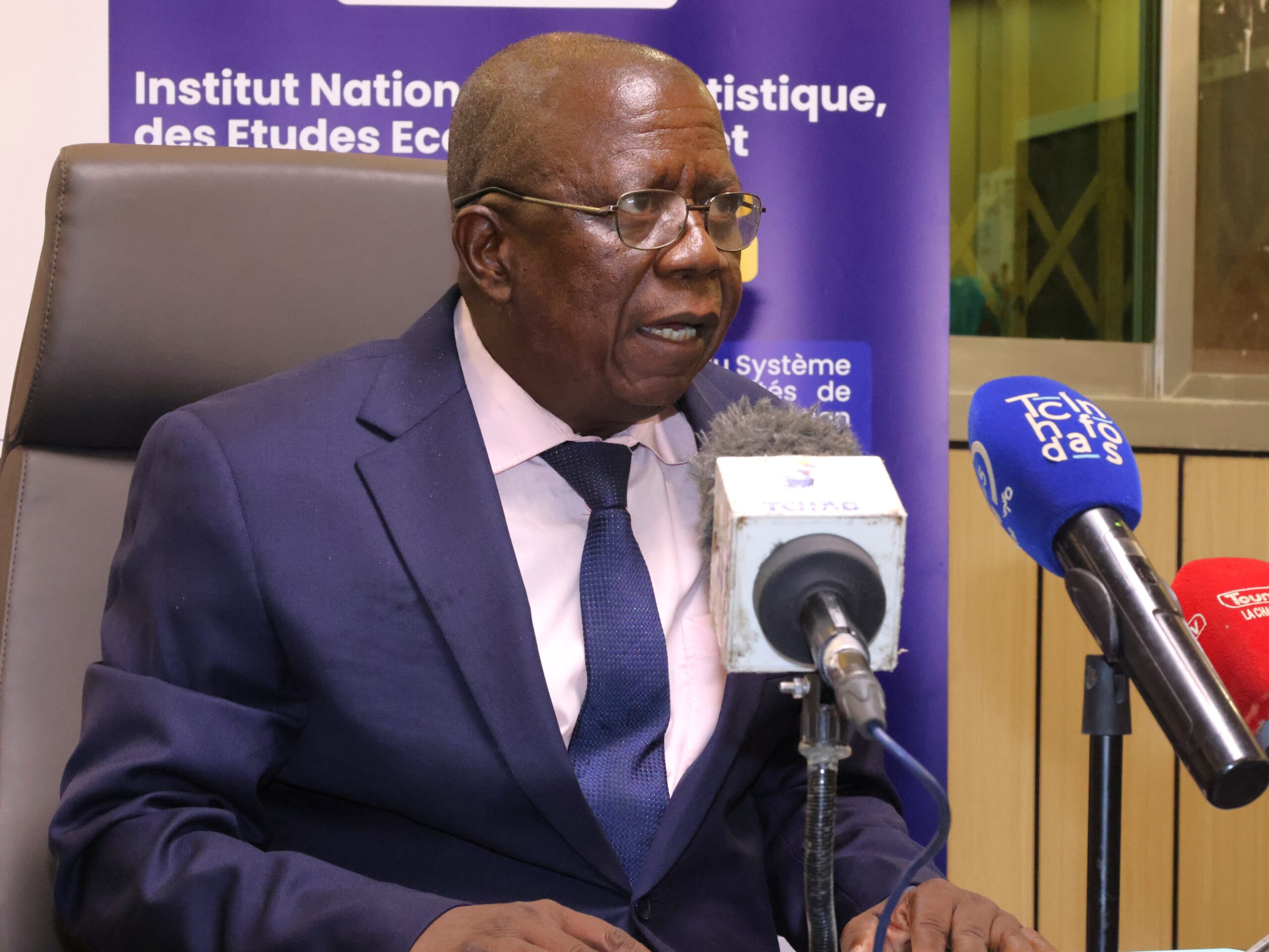
National Census Coordinator Dr. Madjigoto Robert announced the end of the operation on August 6, 2026.
The census teams counted 4,314,752 households across the country. The figure represents 104.33 percent of the households identified during the mapping phase.
The operation involved 37,245 personnel. They included enumerators, supervisors, IT assistants and technical teams.
RGPH-3 also marks the first fully digital population and housing census in the country. Census teams used digital tools to collect and transmit data from the field.
Some teams will continue working after the official end of the field operation. They will focus on specific groups, including refugees, military personnel, nomadic populations, homeless people and island communities.
Provincial teams will also assist households that have not yet completed the census process. The public can call the toll-free number 1227 to report concerns or request assistance.
The census authorities will now consolidate, process and analyse the data. They will then publish the results progressively.
The results will provide updated population and socio-economic data. Authorities plan to use the data to improve public planning, investment decisions and basic social services.
The figures will also support the implementation of the National Development Plan, “Chad Connection 2030.”
