
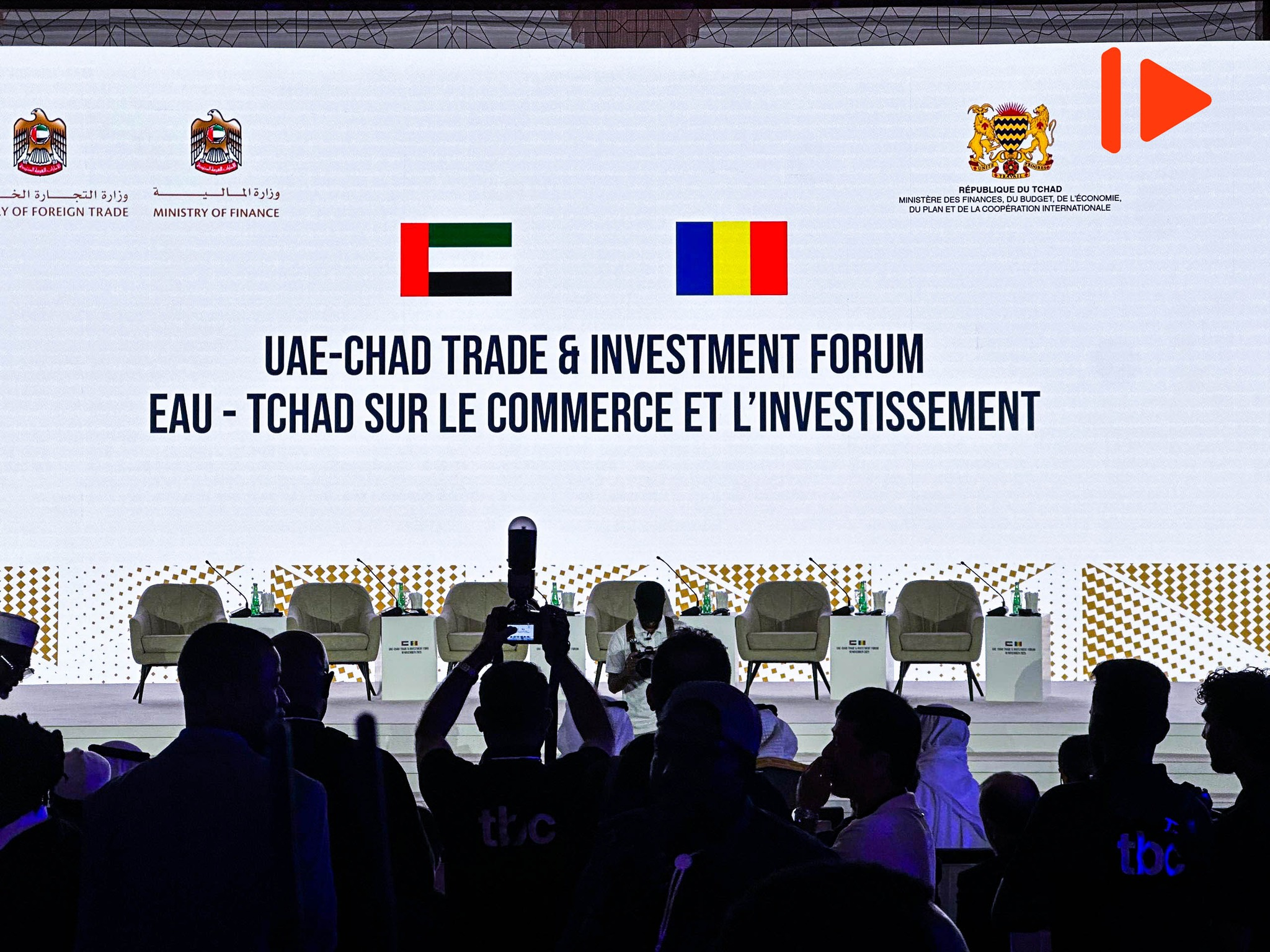

The Abu Dhabi Roundtable on Chad’s National Development opened this morning and launched two days of discussions on Chad Connection 2030, the country’s long-term transformation roadmap. The event brings together heads of state, development partners, and private-sector leaders to advance financing for Chad’s National Development Plan.
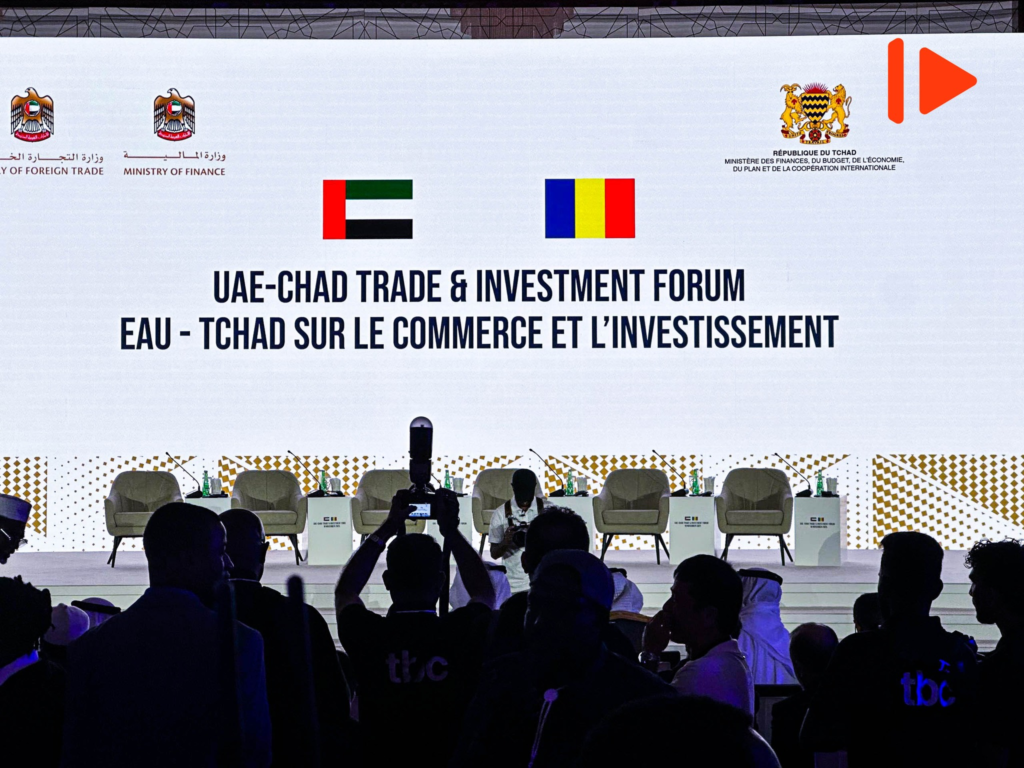
A High-Level Opening
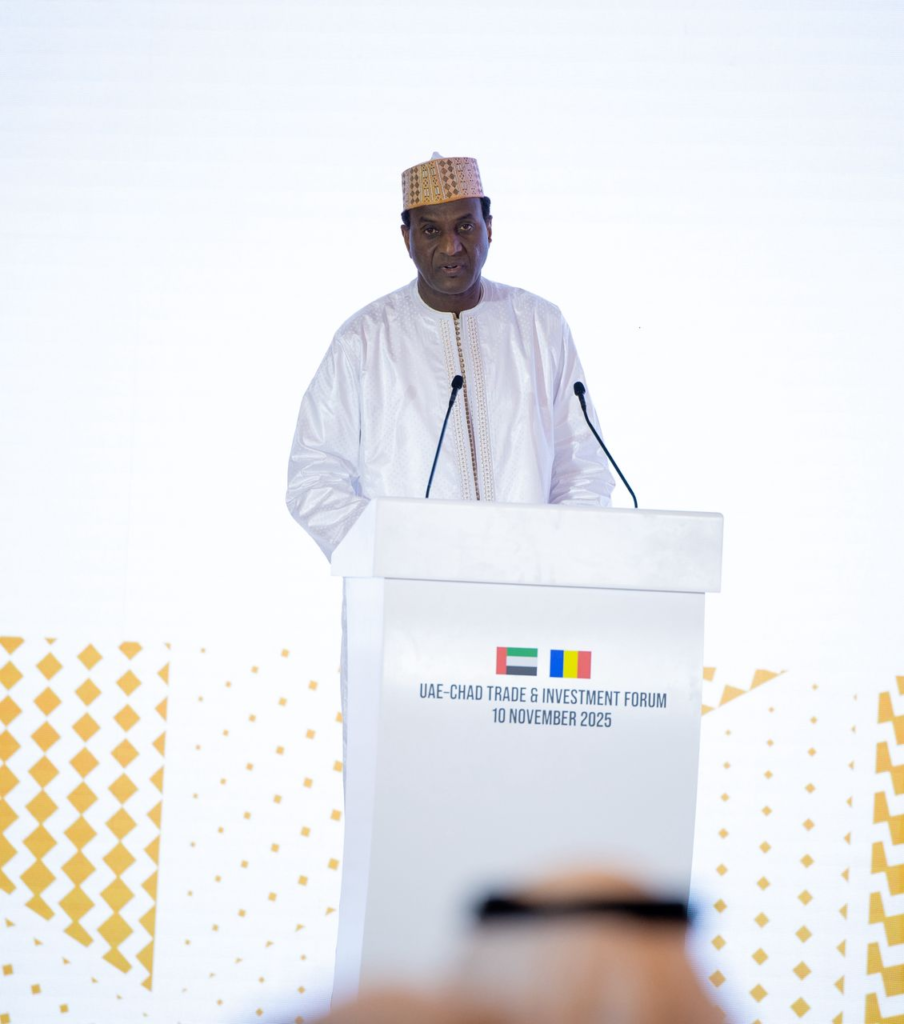
Monday, November 10, marks the start of talks designed to reinforce Chad’s economic modernization and strengthen its position in regional and global markets. The opening session included remarks from several senior officials, among them Chadian President Mahamat Idriss Deby Itno, Togolese President Faure Gnassingbé, the World Bank Vice President for Western and Central Africa, and the Prime Minister of Niger.
During his speech, President Mahamat Deby urged partners to recognize the opportunities created by Chad’s reform agenda. He said, ‘Come build with us the Chad of today and tomorrow. Come to the land of Toumaï, the land of opportunities.’
The President has been in Abu Dhabi since November 6 to advance diplomatic and economic engagements ahead of the roundtable.
Niger’s representative, Prime Minister Ali Lamine Zeine highlighted Chad’s potential, stressing that the country is a pillar of regional stability in a complex subregion. By supporting Chad, he said, partners are also investing in the stability of the entire Sahel. ‘Helping Chad is helping Niger.’ The World Bank also announced a commitment of USD 2.5 billion to support Chad in implementing its National Development Plan.
Commitments and Keynotes
Development leaders delivered keynotes that highlighted Chad’s economic potential. They also introduced new initiatives focused on infrastructure, governance, and private-sector growth. These announcements set the tone for the technical sessions that followed.
Sector Panels Focus on Growth Drivers
After the opening session, the roundtable moved into its technical program with two sector-focused panels.
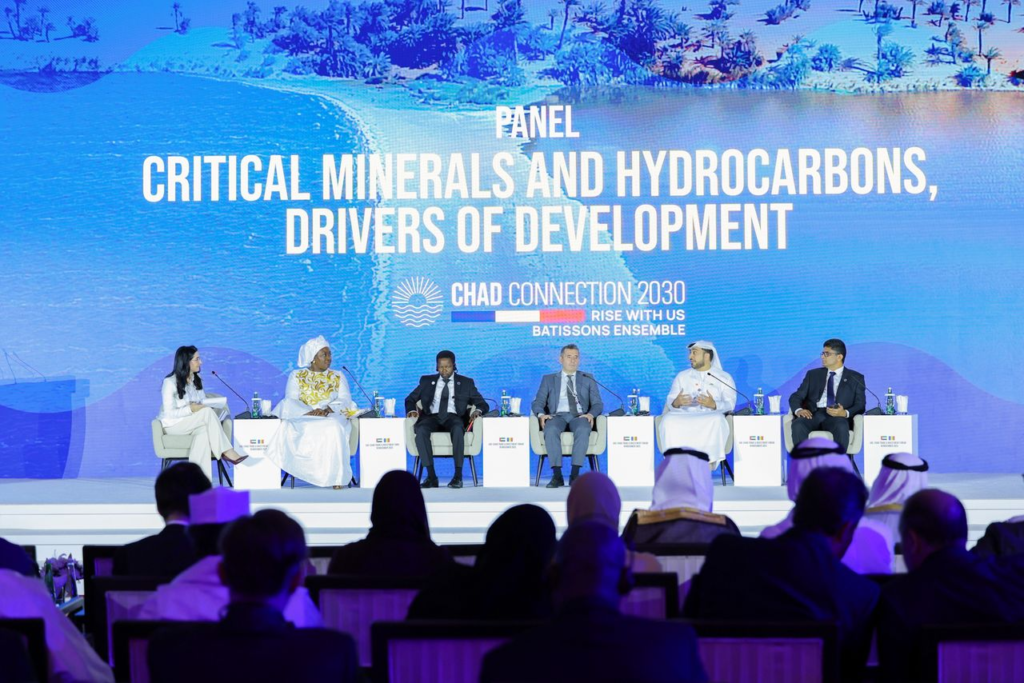
The first panel examined how critical minerals and hydrocarbons can support economic transformation and energy security. Experts presented Chad’s geological assets, recent exploration updates, and investment priorities. They also discussed ongoing projects and explained how cooperation with investors could strengthen local capacity, improve technology transfer, and integrate Chad into regional and global energy markets.
The second panel shifted attention to agriculture and livestock, which form the backbone of Chad’s economy. Speakers outlined strategies to increase productivity, modernize value chains, and attract private investment in agro-industry and livestock processing. The session highlighted Chad’s major advantages, including vast livestock resources, diverse agricultural ecosystems, and strong processing potential. These strengths could help position the country as a competitive actor in regional value chains.
The day continues with additional panels, parallel sessions, and bilateral meetings. Through these discussions, Chad aims to build partnerships that can support its economic ambitions and advance its development vision toward 2030.
Djinodji SOLMENGAR
