

By Djinodji SOLMENGAR
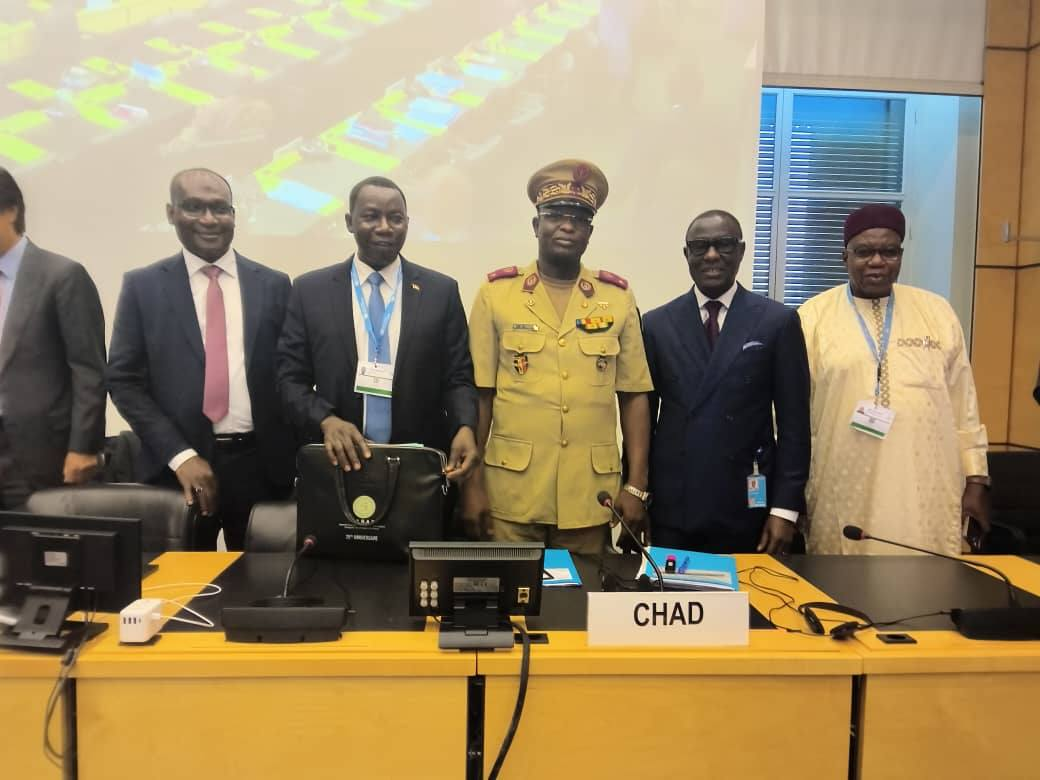
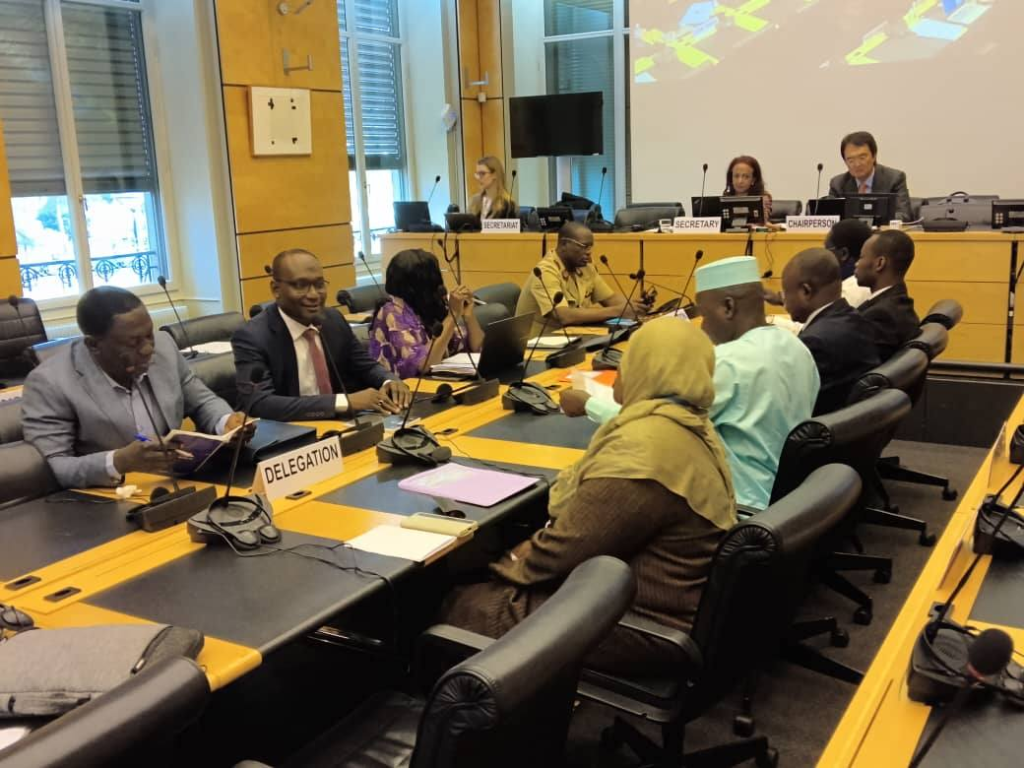
Geneva — Chad presented its third periodic report on the implementation of the International Covenant on Civil and Political Rights (ICCPR) before the United Nations Human Rights Committee at the Palais Wilson in Geneva.
The Chadian delegation was led by Youssouf Tom, Minister of Justice in charge of human rights, and Ahmad Makaila, Chad’s Ambassador and Permanent Representative to the UN in Geneva. The delegation also included Belngar Larmé, President of the National Human Rights Commission (CNDH), along with representatives from public institutions and civil society.
Authorities highlight progress
Chadian officials outlined measures taken to strengthen the protection of fundamental rights. They noted these efforts amid the political transition and the return to constitutional order.
On child protection and disarmament, Brigadier General Ali Goukouni Issa, UNICEF focal point at the Ministry of the Armed Forces, stated that “no children serve within Chad’s defence and security forces.”
He also referred to a national coordination framework for disarmament, demobilisation, and reintegration (DDR). This initiative, launched by President Mahamat Idriss Deby Itno, is part of commitments from the Doha peace agreement and the Inclusive National Dialogue, in collaboration with international partners.
Concerns raised by the UN Committee
Committee members noted a persistent gap between Chad’s international commitments and their implementation on the ground.
“Efforts are being made to adopt a growing number of human rights standards, but a gap remains between these norms and the reality experienced by the population,” said Bacre Waly Ndiaye, a committee expert.
He stressed that bridging this gap is a shared objective.
The discussions also addressed Chad’s constitutional and legal framework for implementing the covenant. Experts highlighted the need to disseminate the treaty within national institutions and among the general public.
Possible return of the death penalty
Committee members expressed concern over Decree No. 82 of June 23, 2025, which created a commission to examine the potential reintroduction of the death penalty.
Experts asked the delegation to explain the reasons for establishing this commission and provide updates on its work. Some warned that the initiative could raise fears of reinstating capital punishment. Chad is a party to the Second Optional Protocol to the ICCPR, which aims to abolish the death penalty.
Reparations for victims of Hissène Habré
The committee questioned the authorities about compensation for victims of former president Hissène Habré’s regime.
The Chadian delegation stated that the President had ordered 10 billion CFA francs in compensation. Experts requested further details on amounts paid, the number of beneficiaries, and the progress of the process. This information is needed to determine if measures comply with judicial rulings.
Questions on non-discrimination
Committee members raised concerns about non-discrimination in law. They focused on Article 354 of Chad’s Penal Code, which criminalises same-sex relations. Experts asked the delegation to explain how this provision aligns with Chad’s international human rights obligations.
Chad ratified the ICCPR on June 9, 1995, committing to uphold the fundamental rights in the treaty.
UN Human Rights Committee reviews all state parties regularly, monitoring implementation and issuing recommendations.
The issues discussed during this session represent only a part of the wide-ranging topics examined between the committee and the Chadian delegation.
