

A Landmark Edition in Latin America
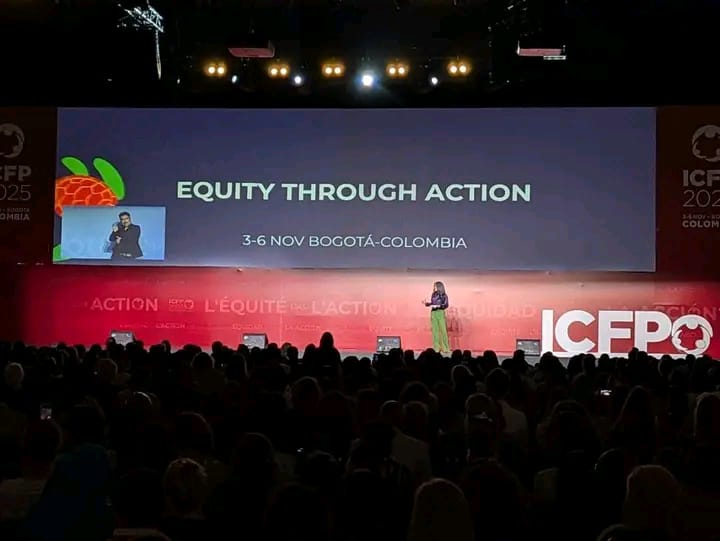
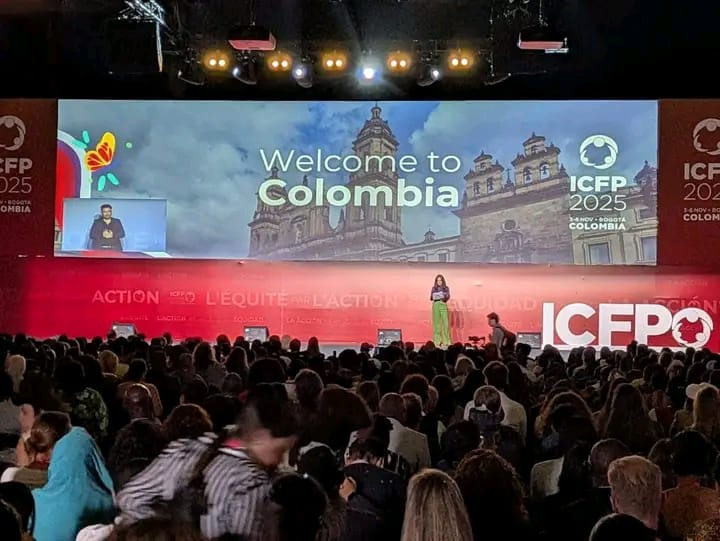
The International Conference on Family Planning (ICFP) returned in 2025 as one of the most influential global gatherings on sexual and reproductive health and rights. For the first time, the event took place in Latin America and the Caribbean, bringing thousands of participants to Bogotá from November 3 to 6. Pre-conference sessions began on November 1, setting the stage for four days of high-level dialogue.
A Theme Focused on Equity
This year’s theme : ‘Equity Through Action: Advancing Sexual and Reproductive Health and Rights for All’, guided discussions across research, policy and community innovation. Delegates stressed the urgency of protecting reproductive rights as they come under pressure worldwide. They also highlighted the need to expand equitable access to family-planning services and to recognize young people as central agents of change.
Record Participation and Diverse Voices
ICFP 2025 set new records. It received 5,174 abstract submissions, the highest in its history, and welcomed participants from more than 120 countries. Sessions unfolded in English, French and Spanish, making the conference more accessible than ever.
In addition, fourteen thematic tracks covered climate resilience, gender equality, humanitarian needs, social norms, health systems, youth leadership and innovation. This broad agenda allowed experts to connect reproductive health with global challenges such as climate change, displacement and inequality.
Why the Conference Matters for the Sahel
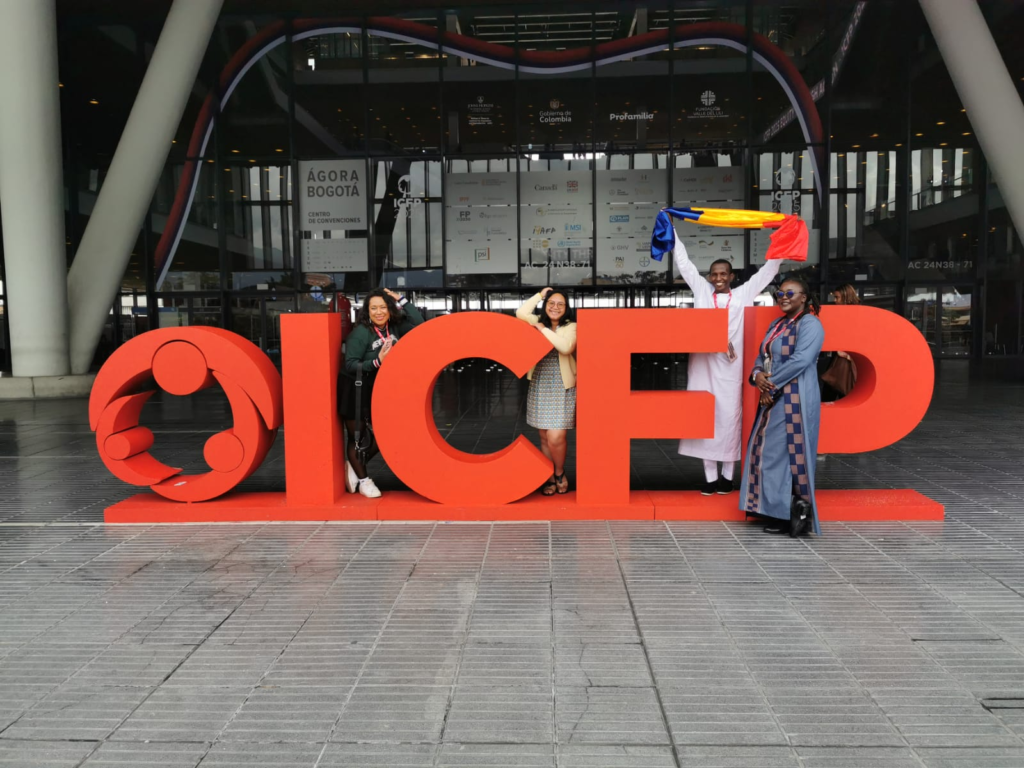
The Sahel continues to face high rates of unintended pregnancies, limited access to reproductive-health services, gender-based violence and persistent humanitarian instability. Because of these pressures, the region used ICFP 2025 to call for more investment, stronger alliances and better visibility for local initiatives.
Moreover, Sahelian speakers emphasized that global strategies often overlook the daily realities of communities affected by conflict, poverty and restrictive social norms. By joining the discussions in Bogotá, they worked to ensure that international commitments translate into concrete support on the ground.
Chad’s Contribution to the Global Conversation
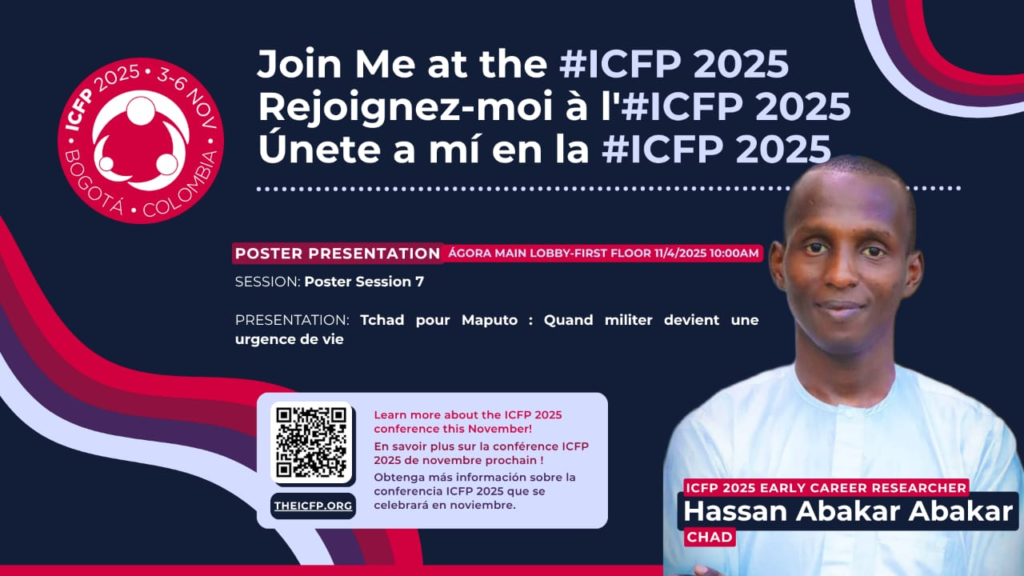
Chad stood out through the participation of Hassan Abakar Abakar, winner of the Early Career Researchers Award. He joined a cohort of 80 emerging young leaders engaged in sexual and reproductive health, rights and reproductive justice. His involvement reinforced the growing role of Sahelian youth in pushing for inclusive and evidence-based policies.
Furthermore, his presence at ICFP helped bring national challenges to a global stage, strengthening the case for increased resources and partnerships in Chad and across the Sahel.
A Platform That Connects Local Efforts to Global Action
ICFP 2025 offered more than speeches and panels. It created space for new collaborations, showcased innovative research and encouraged cross-regional learning. As the conference concluded, many participants stressed that the world cannot advance reproductive rights without addressing inequality, climate vulnerability and humanitarian crises.
For the Sahel — and especially for Chad — Bogotá was a reminder that their voices matter in shaping global reproductive-health priorities.
Djinodji SOLMENGAR
