


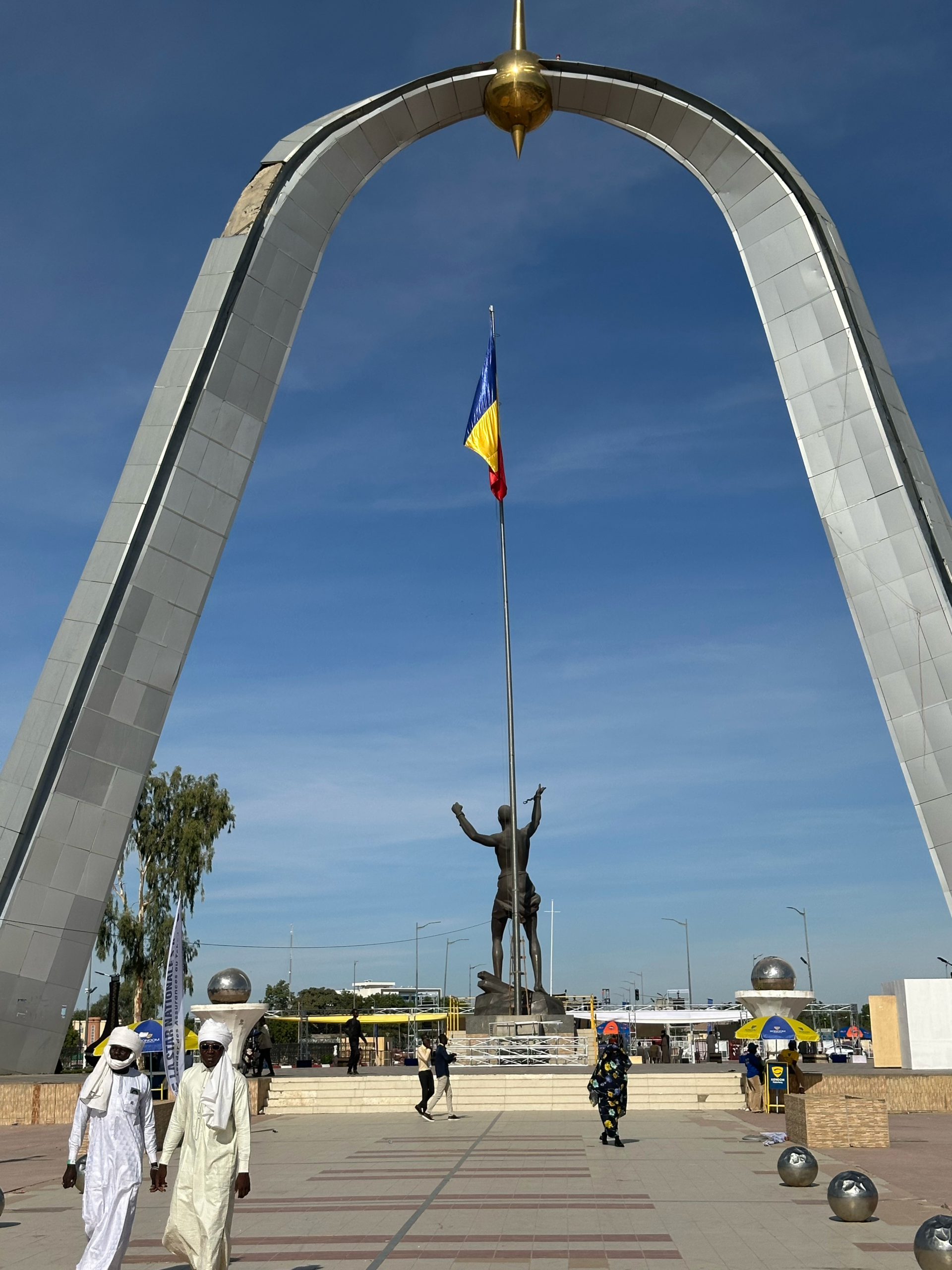
Chad is a country of contrasts, deserts and wetlands, oil fields and farmlands, ancient trade routes and modern cities. Spread across 23 provinces, its regions tell a complex story of population growth, economic potential and development challenges that shape life across the country.
From regions to provinces
In 2018, Chad carried out a major administrative reform under Ordinance No. 038/PR/2018, replacing regions with provinces. The reform created 23 provinces and 120 departments, with N’Djamena granted special provincial status. Its goal was to strengthen local governance and improve administrative efficiency while largely keeping existing boundaries intact.
Mandoul Province
Mandoul Province, located in southern Chad along the border with the Central African Republic, has a population of approximately 1,062,463. Its capital is Koumra, and it is divided into four departments: Mandoul Occidental, Mandoul Oriental, Goundi, and Taralnass. The province is home to several ethnic and linguistic communities, including the Sara (Madjingaye), Mbaye, Goulaye, Nar, Daye, and Toumak of Goundi. Mandoul’s economy is largely based on subsistence agriculture and cotton production.
Bahr el Ghazel Province
With a population of about 435,204, Bahr el Ghazel Province lies in western Chad, partly within the Sahara Desert. Its capital is Moussoro, and it comprises five departments: Bahr el Ghazel Nord, Sud, Est, Ouest, and Kleta. The region is predominantly pastoral, with livestock farming forming the backbone of its economy.
Logone Oriental Province
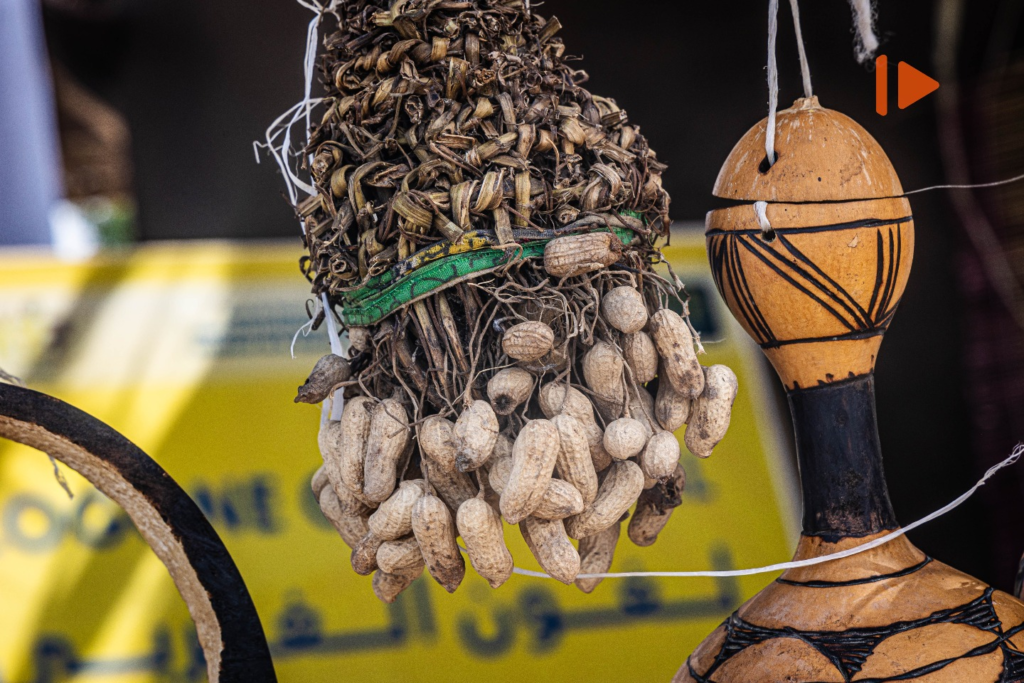
Logone Oriental, in southern Chad, has a population of roughly 1,318,365, with Doba as its capital. The province borders both the Central African Republic and Cameroon and includes departments such as La Nya, La Pendé, Monts de Lam, Kouh-Ouest, and Nya Pendé. Its population includes the Ngambaye, Gor, Mboum, Goulaye, and Mongo communities. The economy relies on food crops and cash crops, notably cotton and groundnuts.
An oil field near Doba, exploited since 1988 and exported via a 1,070-km pipeline to Cameroon’s coast, remains Chad’s largest source of public revenue.
Batha Province
Batha Province has an estimated population of 826,298 and is located in central Chad. Its capital is Ati, and it is divided into six departments. The province experiences a Sahelian climate in the south and Saharan conditions in the north, often facing irregular rainfall. Batha is primarily rural and is known for large-scale livestock herding, with temporary rivers feeding into Lake Fitri.
Borkou Province
Located in northern Chad, Borkou Province has a population of about 158,311, with Faya-Largeau as its capital. It lies between the Tibesti Mountains and the Ennedi Plateau. Rich in unexploited mineral resources, Borkou is also a major tourism destination, known for its dramatic desert landscapes.
Chari-Baguirmi Province
Chari-Baguirmi Province has a population of nearly 978,490, with Massenya as its capital. Situated along the Chari River west of N’Djamena, it is home to diverse ethnic groups, including the Kanuri, Boulala, Kotoko, Peulh, Massa, and Ngambaye. Oil production contributes to local development and poverty reduction, alongside agriculture and fishing.
Ennedi Est Province
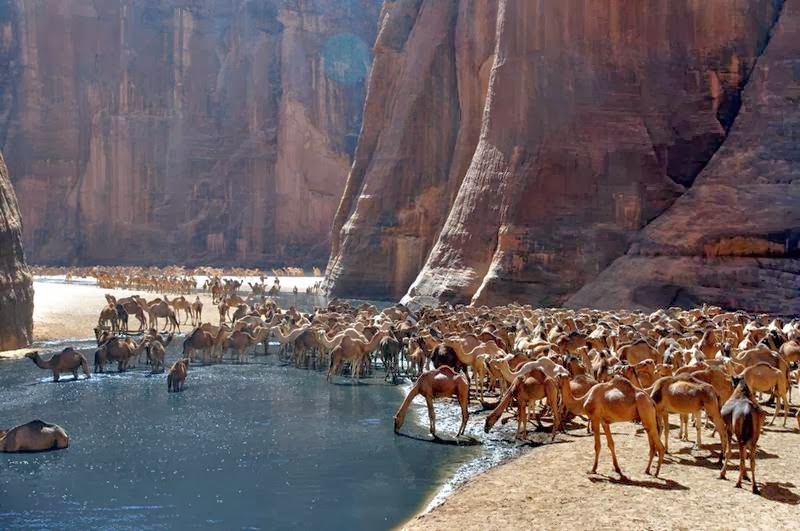
Ennedi Est, in northeastern Chad, has a population of around 102,542. Its capital is Amdjarass, and it borders Sudan and Libya. Largely desert, the province is inhabited mainly by the Dazaga, Toubou, and Zaghawa communities and is recognized for its unique rock formations and tourism potential.
Ennedi Ouest Province
With a population of approximately 181,517, Ennedi Ouest Province has Fada as its capital. The province borders Libya and includes Lake Ounianga, a UNESCO-listed site. Ethnic groups include the Zaghawa, Teda, Dazaga, and Toubou.
Guéra Province
Guéra Province, located in south-central Chad, has a population of about 910,712 and a capital at Mongo. Characterized by mountainous terrain and relatively high rainfall, it is one of Chad’s most important agricultural zones, producing peanuts and cotton. It is also emerging as a tourism hub, near Zakouma National Park.
Hadjer-Lamis Province
Hadjer-Lamis Province has a population of roughly 958,923, with Massakory as its capital. Located west of N’Djamena near the Cameroonian border, its economy is based on agriculture and pastoralism, with ethnic groups including the Medego, Boulala, Gorane, and Arab communities.
Kanem Province
Kanem Province, bordering Niger, has a population of about 563,972 and a capital at Mao. Known for its oasis agriculture and palm groves, Kanem’s economy revolves around livestock and trade. Its inhabitants include Kanembou, Daza, Arab, and Tuareg groups.
Lac Province
Lac Province has a population of approximately 733,819, with Bol as its capital. Bordering Niger, Nigeria, and Cameroon, it is strategically important due to Lake Chad, which supports fishing and agriculture. The province also hosts refugees, mainly from Nigeria, and contains the world’s largest polder reserves.
Logone Occidental Province
Logone Occidental, in southern Chad, has Moundou as its capital and is the country’s second-largest urban center. The province is an economic hub, with industry, cotton farming, and oil exports contributing significantly to regional development.
Tandjilé Province
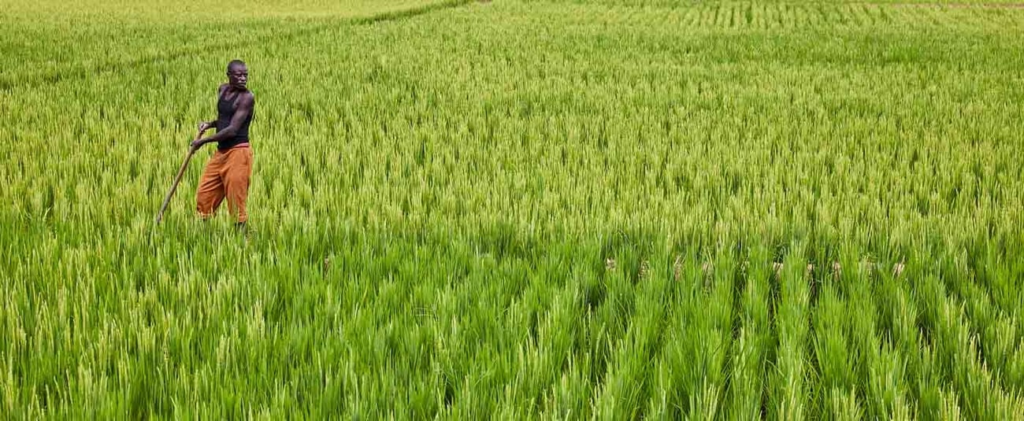
Tandjilé Province has a population of about 1,119,710, with Laï as its capital. Its economy is centered on rice, sorghum, and livestock, supporting a largely rural population.
Mayo-Kebbi Est Province
With Bongor as its capital, Mayo-Kebbi Est lies in southwestern Chad along the Cameroonian border. Its economy is driven by rice farming, agriculture, and fishing, with diverse ethnic communities including the Moussey, Massa, and Toupouri.
Mayo-Kebbi Ouest Province
Mayo-Kebbi Ouest, capital Pala, has a population of around 954,883. The province is agriculturally productive, with food crops, cotton, fishing, and livestock forming the backbone of the local economy.
Moyen-Chari Province
Moyen-Chari Province, with a population nearing 994,701, has Sarh as its capital. It is one of Chad’s most economically diverse regions, hosting sugar, cotton, and textile industries, alongside agriculture and fishing.
Ouaddaï Province
Ouaddaï, in eastern Chad along the Sudanese border, has a population of approximately 1,177,069 and a capital at Abéché. Historically a major trade center, its economy is based on commerce, agriculture, livestock, and crafts, with a highly diverse population.
Salamat Province
Salamat Province has a population of about 511,386, with Am Timan as its capital. Located in southeastern Chad, it includes Zakouma National Park and is considered a major agricultural and tourism region, capable of meeting national cereal needs.
Dar Sila Province
Dar Sila Province, capital Goz Beida, has a population of roughly 698,335. Bordering the Central African Republic, it hosts refugees from Sudan and relies on trade and food crop production.
Tibesti Province
Tibesti, Chad’s northernmost province, has a population of just 43,108, with Bardaï as its capital. Home to the Toubou people, it is rich in mineral resources and renowned for its volcanic landscapes and geothermal sites.
Wadi Fira Province
Wadi Fira Province has a population of approximately 860,004, with Biltine as its capital. Located in eastern Chad along the Sudanese border, its economy is based on agro-pastoralism and transhumance, with communities including the Zaghawa, Tama, and Arab groups.
N’Djamena: the capital city
N’Djamena, formerly known as Fort Lamy, holds a distinct administrative status in Chad. In addition to serving as the national capital, it is designated as a province with special status, comprising 10 municipal districts that function as departments.
Located in the centre-west of the country, N’Djamena lies at the confluence of the Chari and Logone rivers, on the right bank of the Chari. The name N’Djamena derives from Arabic and means “we rest”. The city hosts Chad’s main political and administrative institutions, as well as diplomatic missions and international organisations.
With a population exceeding one million, N’Djamena is Chad’s largest city and its main economic hub. Its diverse population reflects the country’s ethnic and cultural makeup, placing the capital at the centre of national political, social and economic life.
