

By Djinodji SOLMENGAR Rodrigue
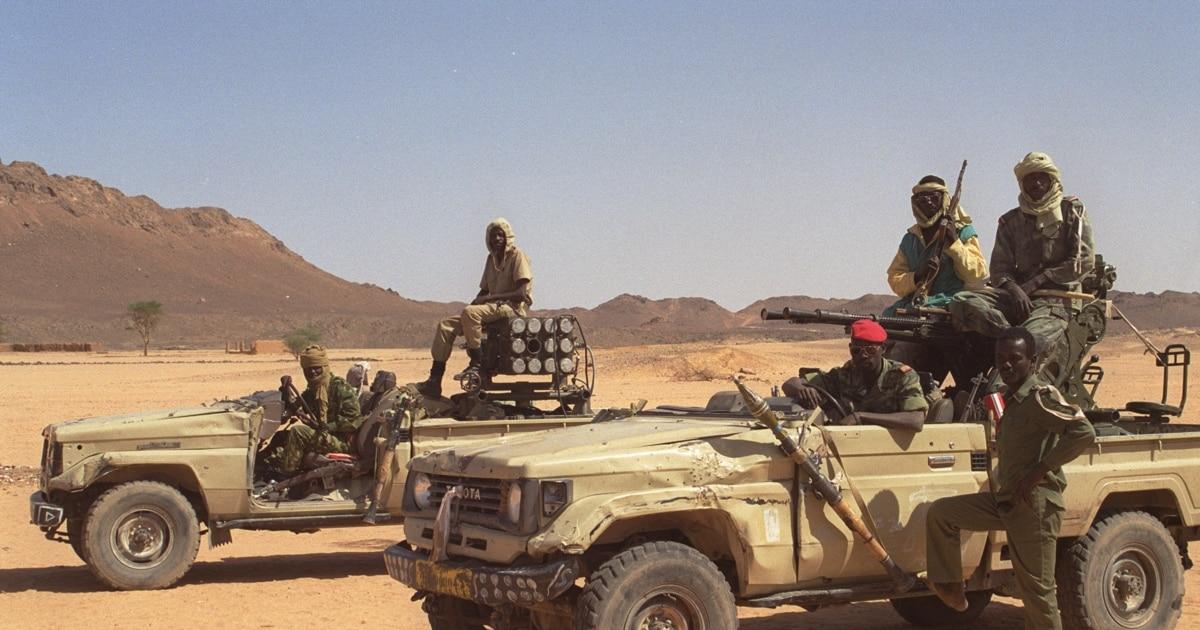
Chad’s gold-mining potential is bringing renewed attention to security around mining sites and the need for transparent management of the country’s mineral resources, following an attack on the National Brigade for the Control of Mining Activities on October 14.
Ibrahim Mahamat Brahimi, executive director of Manara Radio and Television (MRTV), raised these issues after leading a team of journalists to Miski, in the Tibesti region, to report on the security situation and conditions on the ground.
Speaking on MRTV’s 7 pm news programme on Sunday, October 25, Brahimi said the mission aimed to provide reliable information about the situation following the incident.
Brahimi argued that the country’s mineral resources needed protection and transparent management. He also linked security in mining areas to Chad’s efforts to attract investment and support economic development.
“Today, Chad has immense mineral wealth,” he said during the interview, stressing the need to protect those resources.
Security and investment
Brahimi said mining operations could not develop without adequate security. He explained that the Ministry of Petroleum had deployed a brigade to monitor, control and secure mining sites.
He said a secure operating environment would help investors establish activities and exploit the country’s mineral resources, potentially contributing to national development.
His comments come as Chad pursues its broader development ambitions under the National Development Plan, known as Tchad Connexion 2030. However, the interview did not provide figures on planned mining investments or assess the current level of transparency in the sector.
Reporting from Miski
The MRTV team also faced practical challenges during its mission. Brahimi described the difficult terrain, long distances and access constraints in the area. He said the journey required several means of transport and that the team stayed longer than initially planned for organisational reasons.
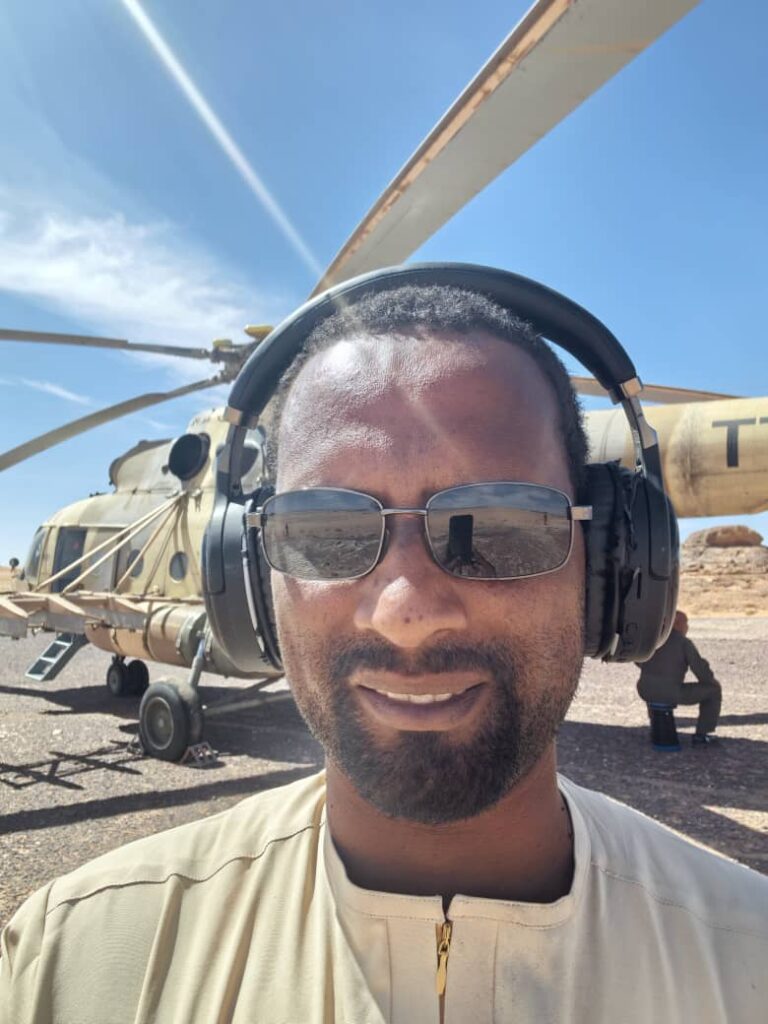
He added that journalists had to coordinate their movements with security personnel, whose priority was to secure the area before allowing reporting activities to proceed.
According to Brahimi, the team also sought testimony from residents and local officials to help audiences understand the situation beyond information circulating online.
He warned against sharing unverified reports, saying the media had a responsibility to provide reliable information during security incidents.
Questions of transparency
The incident has featured the importance of security around mining operations. But the broader challenge is how Chad can protect its mineral resources while ensuring that their exploitation is transparent and contributes to the national economy.
Brahimi called on journalists to handle security-related information carefully and said media coverage should help unite the population rather than deepen divisions.
The interview did not establish the motives behind the October 14 attack or provide independent evidence on mining-sector transparency. Further information from the relevant authorities and other stakeholders would be needed to assess those questions.