

By Djinodji SOLMENGAR Rodrigue
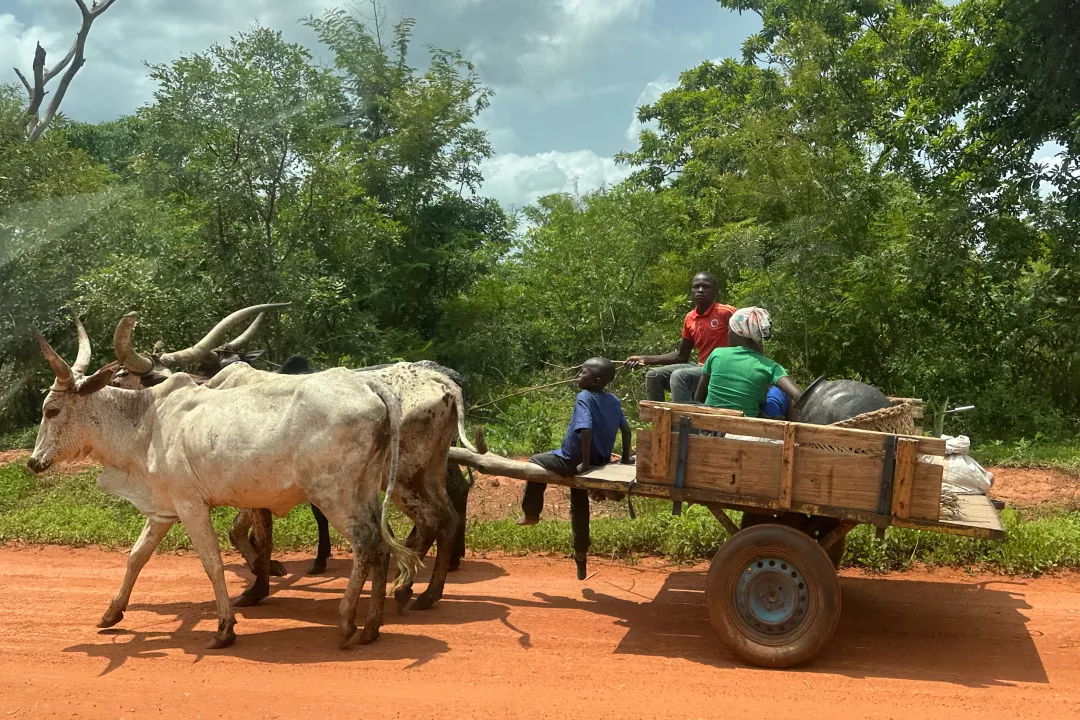
Agribusiness could help young Chadians create jobs and generate income, but entrepreneurs need to identify markets, start with realistic projects and overcome barriers to business growth.
Agriculture and livestock farming could offer young people in Chad opportunities to build businesses and create jobs, according to Hyacinthe Ndolenodji, a social entrepreneur with Job Booster Chad Social Enterprise.
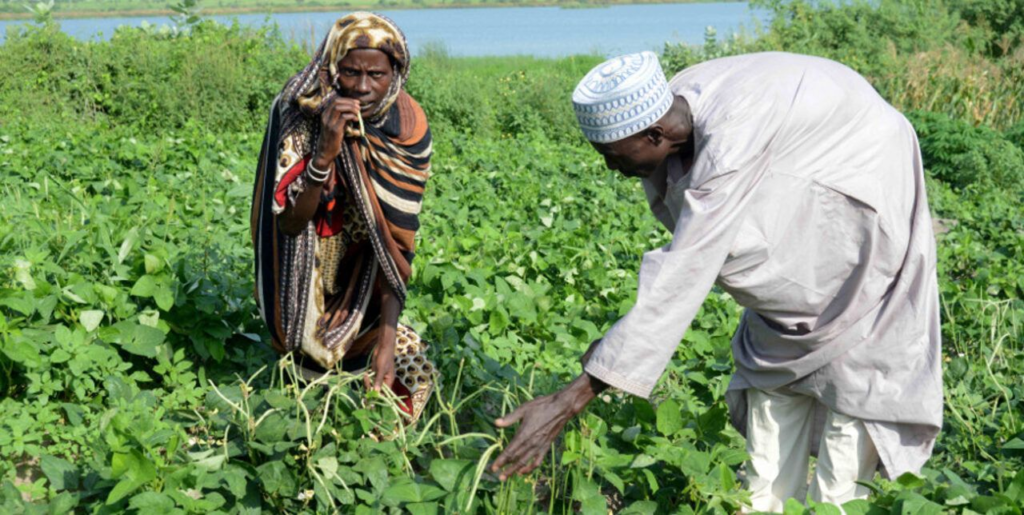
Speaking on MRTV English Talk, Ndolenodji identified agriculture and livestock as promising sectors for young entrepreneurs. He said Chad’s natural resources and demand for food could support businesses across the agricultural value chain.
“If you start a business in the agro-food sector, you always have buyers,” he said. “You will always have customers who will go for your product.”
However, he stressed that entrepreneurs must look beyond the availability of resources. They need to establish whether customers will buy their products or services before investing in a business.
Beyond farming and livestock breeding
Ndolenodji argued that opportunities extend beyond growing crops or raising animals. Young entrepreneurs can also explore businesses that process agricultural products and add value to livestock resources.
He pointed to dairy production, leather processing and poultry farming as areas with potential for development.
Rather than selling only raw products, businesses could explore ways to process them and reach different markets. Such activities could create opportunities at several stages of production, from farming and processing to distribution and sales.
Ndolenodji also highlighted the potential for larger agricultural projects to provide jobs for young people seeking work.
Starting small and building up
For Céphas Mbaihilameen, a translator and editor, young people should not wait for large investments before exploring business opportunities.
He said agriculture, livestock and small-scale trading could provide starting points for those who want to earn an income and gradually expand their activities.
“You don’t need to have think about something greater than that. You just start with something little and then step by step, you know, you can go,” Mbaihilameen said during the interview.
He also challenged the idea that graduates must work only in fields related to their university degrees. Young people, he argued, can develop businesses in areas outside their academic training.
His examples included poultry farming, selling groundnuts and making cakes. The broader message was that practical initiative can help young people explore opportunities while they work towards their longer-term goals.
Finding a market before investing
Starting a business requires more than enthusiasm. Ndolenodji said entrepreneurs must first identify customers and determine whether a market exists for the product or service they intend to offer.
That step can help young business owners assess demand before committing their limited resources.
In agriculture and livestock, potential activities may range from crop production and animal rearing to food processing and related services. The most suitable option will depend on local demand, available resources and the entrepreneur’s ability to reach customers.
Business barriers remain
Despite the potential, young entrepreneurs face obstacles that can make it difficult to launch and expand their activities.
Mbaihilameen identified access to electricity and high taxes as major concerns for businesses. He called on the government to improve electricity access and reconsider tax levels to help enterprises grow.
Access to finance is another challenge. Ndolenodji said banks often view young entrepreneurs as risky borrowers, making it difficult for them to obtain loans.
He suggested that guarantee funds could help reduce lending risks and make credit more accessible to young people with viable business ideas.
These challenges show that individual initiative needs support from a wider business environment. Better infrastructure, relevant training and access to finance could help entrepreneurs turn ideas into sustainable businesses.
From potential to productive jobs
Agriculture and livestock offer possible routes for young Chadians to generate income, develop skills and create employment. But the sectors will not automatically resolve the country’s employment challenges.
Young entrepreneurs need to identify real demand, choose activities they can manage and build their businesses gradually. At the same time, government institutions and financial organisations have a role in addressing barriers that hold back business growth.
For Ndolenodji and Mbaihilameen, the goal should go beyond helping young people find something to do. It should be to create productive economic activities that generate income and open up opportunities for others.