

By Djinodji SOLMENGAR Rodrigue
Many young Chadians turn to informal jobs to make ends meet, but low earnings and limited job security can leave them struggling to plan for the future. The country needs more productive jobs, better training and stronger support for young entrepreneurs.
Finding a job remains a major challenge for many young people in Chad. Graduates often struggle to enter the labour market, while others turn to small businesses and informal activities to earn a living.
For Céphas Mbaihilameen, a translator and editor, part of the problem lies in the gap between what students learn and the practical skills employers need.
But unemployment is only part of the picture. Many Chadians work without earning enough to cover their needs or build a more secure future.
Hyacinthe Ndolenodji, of Job Booster Chad Social Enterprise, argues that the country must pay more attention to underemployment.
“The situation is not about unemployment, but it’s more about underemployment. The jobs that do not pay well,” he said during an interview on MRTV English Talk.
Unemployment and underemployment are not the same
Unemployment generally refers to people who do not have a job, are available to work and are looking for employment. Underemployment, by contrast, can describe people who work but cannot get enough hours, do not fully use their skills or earn too little from their work.
In Chad, Ndolenodji says many young people cannot afford to remain idle while waiting for a formal job.
“We don’t have social schemes like in other countries where they get payments for those who are unemployed,” he said. “People in Chad, they cannot afford to be unemployed.”
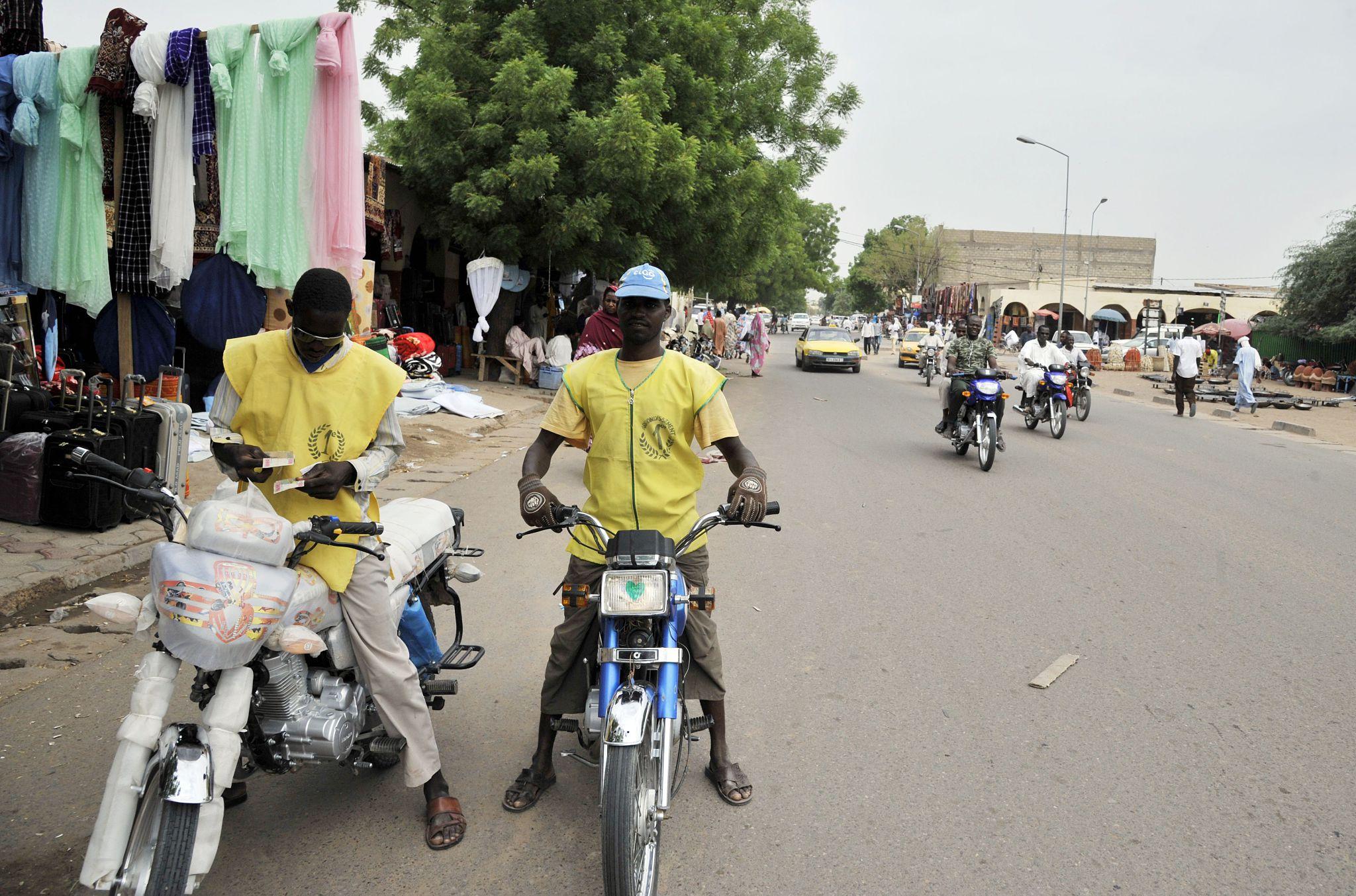
As a result, some young people take up small jobs to cover their immediate needs. They may drive motorbike taxis, sell goods or take on other informal work. These activities provide income, but they do not always offer stable earnings or a path to better opportunities.
Ndolenodji says such workers may struggle to plan for the future because their jobs do not pay enough.
“We really need to support these young people to get into more productive jobs that will help them get incomes, that will help them improve their lifestyles and also plan for their future,” he said.
Why young people take low-paid work
For many households, earning a little is better than earning nothing. Living costs, including food, transport, housing and electricity, leave many people with little room to wait for a better opportunity.
The informal economy can help people get by, but it often offers limited protection and uncertain income. A person may work every day and still struggle to save, pay for further training or invest in a business.
Mbaihilameen argues that young people should also look for opportunities beyond formal employment. He encourages graduates to start small rather than wait indefinitely for a government job.
He pointed to agriculture, livestock farming and small-scale trading as areas where young people could begin with limited resources and build up their activities over time.
However, individual initiative alone cannot resolve the wider barriers facing businesses.
Training must match the job market
Both guests highlighted the need to connect education more closely with the realities of the labour market.
Ndolenodji said Chad’s education system places considerable emphasis on administrative training, while technical skills and other areas of demand can receive less attention. As a result, some graduates leave school with qualifications that do not match available opportunities.
He questioned whether training programmes prepare young people for changing workplace demands.
“How are we training the young people? Are we training for the jobs of today or for the jobs of tomorrow?” he asked.
He called for stronger links between training institutions and employers. Education providers, he said, should consult businesses about the skills they need and use that feedback to update their curricula.
Mbaihilameen also stressed the importance of practical knowledge. He argued that students need opportunities to develop skills they can use to solve real problems and earn a living.
Businesses need a better environment to grow
Starting a business can offer an alternative to formal employment, but young entrepreneurs face significant obstacles.
Mbaihilameen identified electricity and taxes as two major challenges. Unreliable access to power can disrupt business activities, while high taxes and levies can make it harder for small enterprises to get off the ground.
He urged the government to review tax levels and improve access to electricity so that businesses can grow.
Ndolenodji also highlighted the difficulty young people face when they seek loans. Banks may consider young entrepreneurs too risky, especially when they lack collateral or a track record.
He suggested that guarantee funds could help reduce lenders’ risks and improve access to finance.
The government, he added, should establish clear rules and protect investments. It should also help create an environment in which businesses can operate and expand.
A shared responsibility
Ndolenodji said tackling underemployment requires action from several sides, including the government, employers, training providers and banks.
The government can help improve the business environment and support investment. Training institutions can update courses to match labour-market needs. Employers can communicate the skills they require, while financial institutions can explore ways to make credit more accessible to viable young businesses.
Young people also have a role to play by identifying needs in their communities and developing solutions. But initiative alone cannot replace reliable infrastructure, relevant training and access to finance.
For Chad, the challenge is therefore not simply to help more young people find work. It is to expand opportunities that provide better incomes, make fuller use of people’s skills and allow workers to plan for the future.