

By Djinodji SOLMENGAR Rodrigue
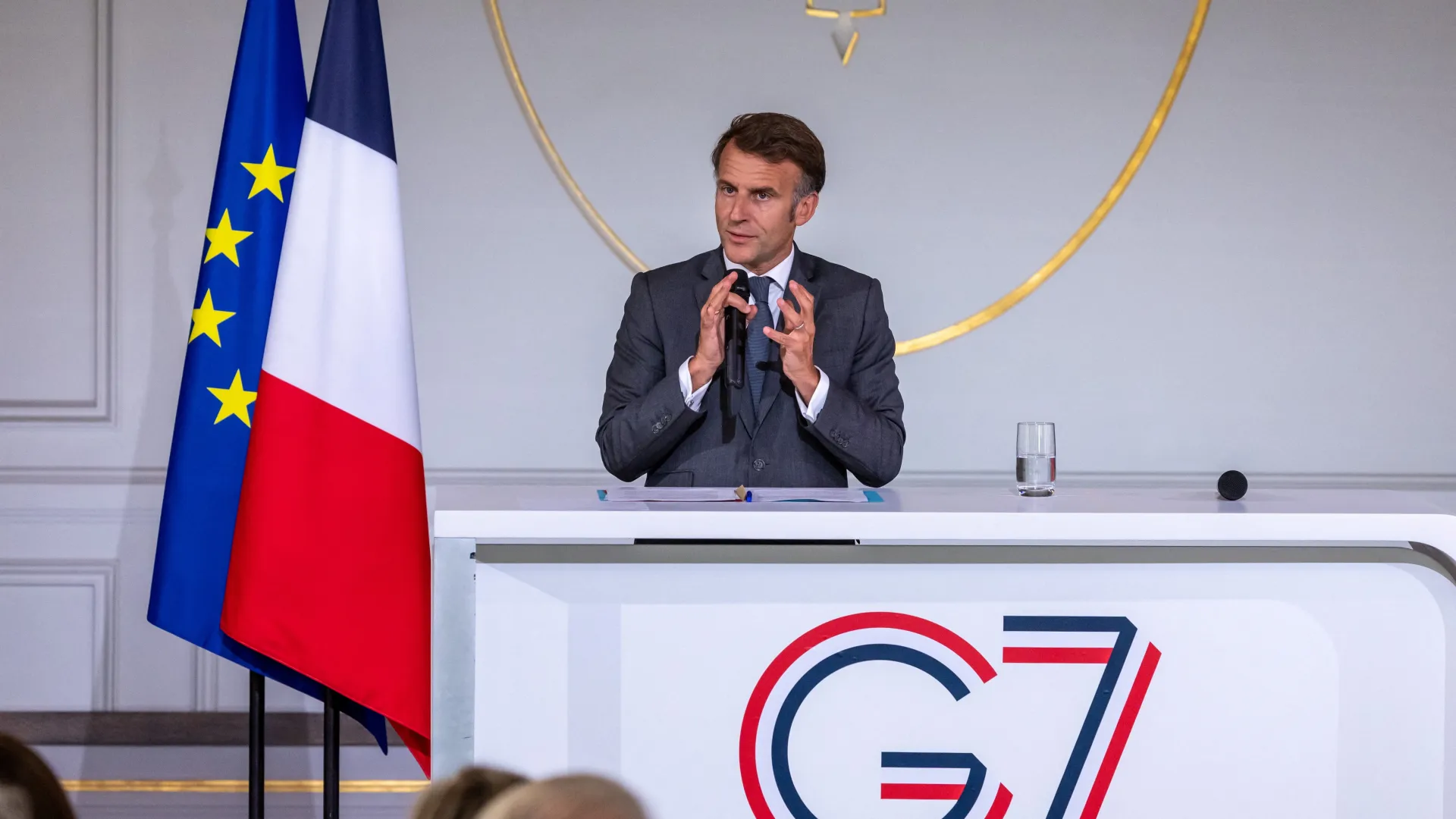
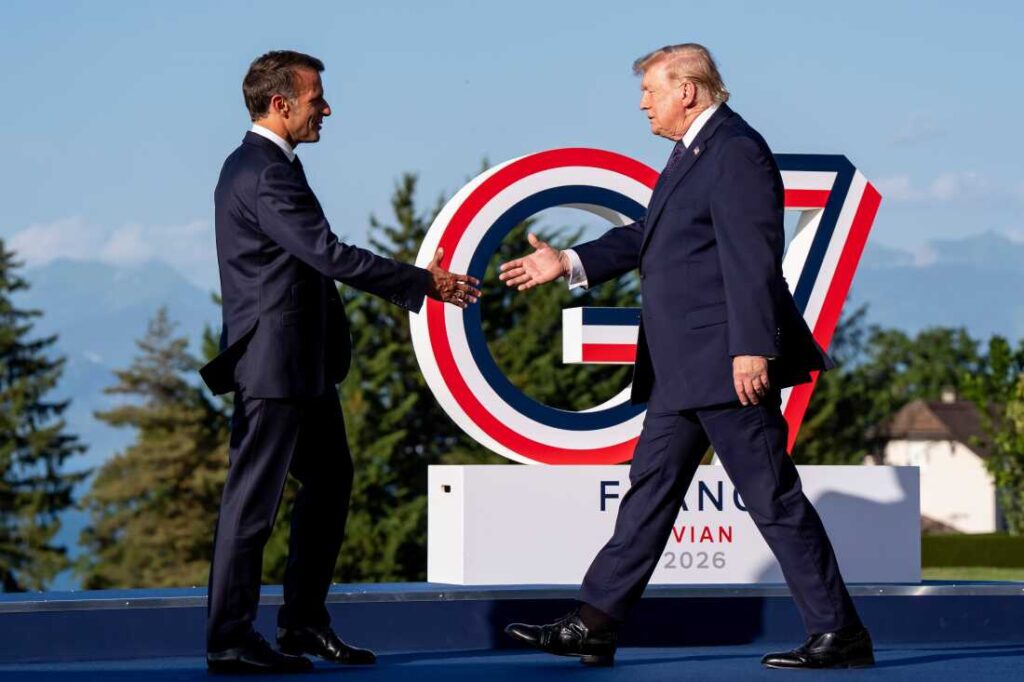
Évian, France — Leaders of the world’s leading industrialized democracies have gathered in Évian, France, for the 2026 G7 Summit, which runs from June 15 to 17. During the three-day meeting, they will discuss major international issues ranging from security and economic stability to emerging technologies.
U.S. President Donald Trump is among the leaders attending the summit. Meanwhile, French President Emmanuel Macron is hosting what could be one of the last major international gatherings of his presidency before France’s 2027 elections.
What is the G7?
The Group of Seven, or G7, is an informal forum that brings together seven of the world’s largest advanced economies. The members include Canada, France, Germany, Italy, Japan, the United Kingdom and the United States. Although it is not counted among the seven members, the European Union also participates in G7 discussions.
Together, these countries account for a large share of the global economy. Consequently, their decisions often have a significant impact on international affairs.
Last year, Canada hosted the summit in Alberta.
Key Issues on the Agenda
This year’s summit comes at a time of growing geopolitical tensions and economic uncertainty. Therefore, leaders will focus on several pressing challenges.
First, they will discuss support for Ukraine and broader European security. They are also set to address the conflict in the Middle East and its implications for global stability.
Moreover, leaders will examine global trade, energy security and economic growth. Another major topic will be artificial intelligence, which continues to transform industries and societies around the world.
More Than Just a Summit
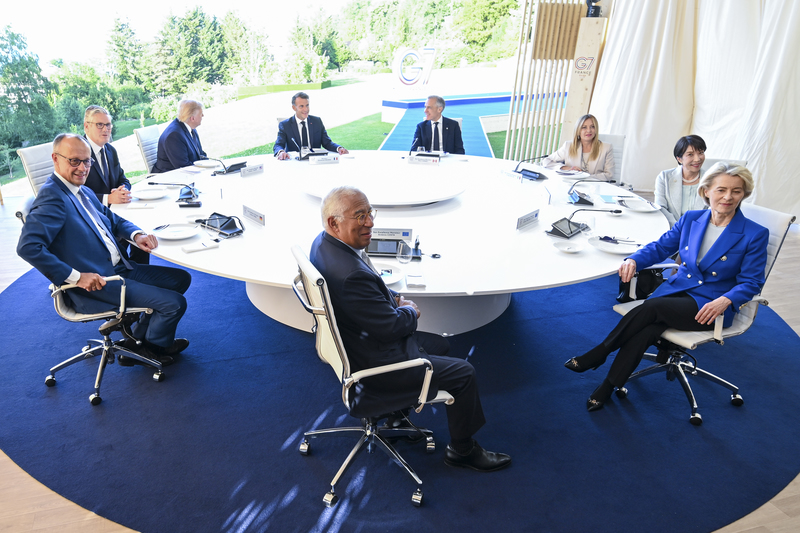
Beyond formal meetings, the summit gives leaders an opportunity to hold bilateral talks and coordinate policies. As a result, the gathering often helps shape international responses to global crises.
Observers will closely watch the outcome of the three-day meeting. In particular, they will look for joint statements and agreements that could influence world affairs in the months ahead.
Since its creation, the G7 has served as a platform for the world’s major industrialized democracies to coordinate policies and tackle common global challenges.
