

By Djinodji SOLMENGAR Rodrigue
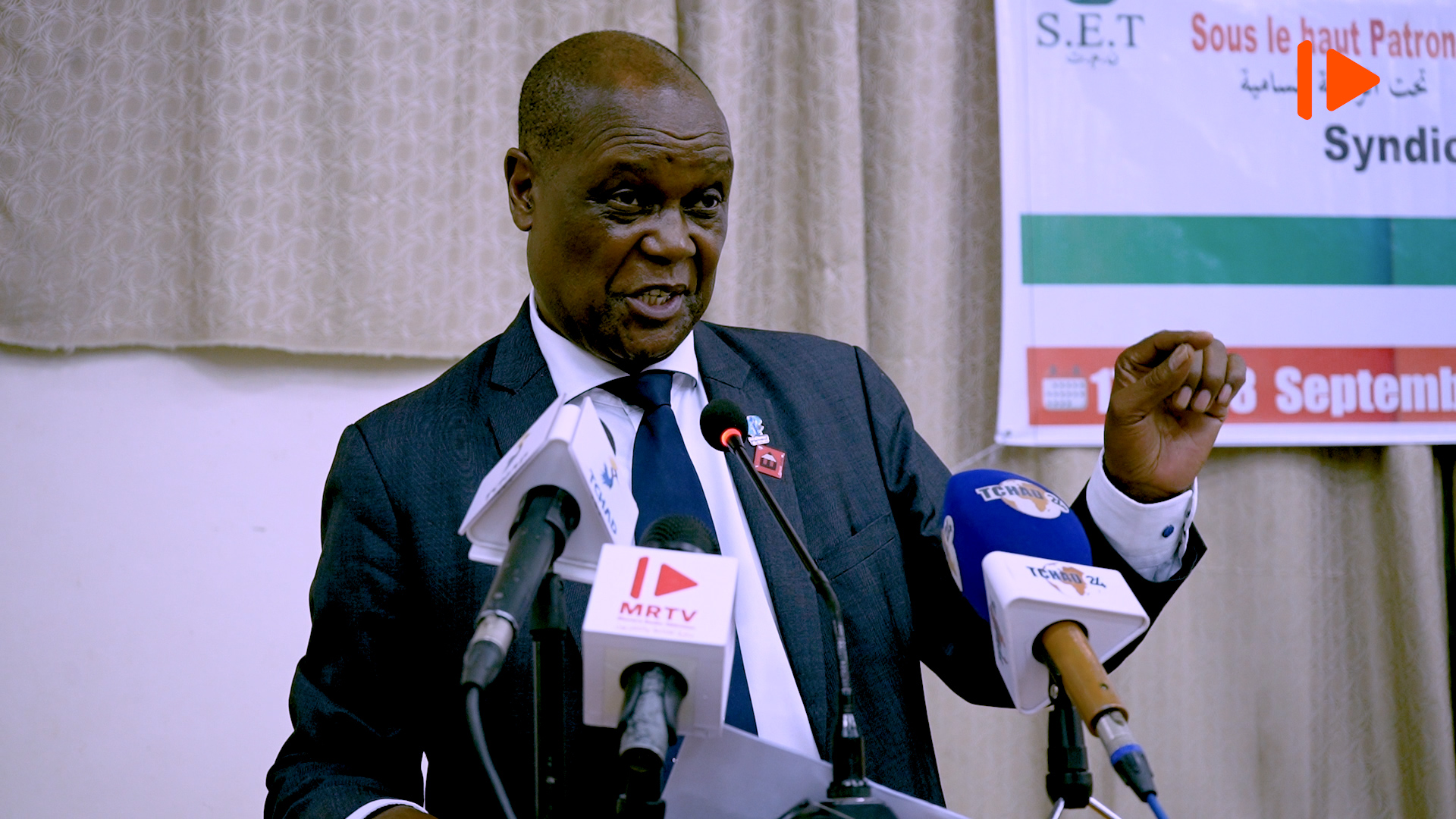
Education International Regional Director Denis Sinyolo has called for greater investment in public education in Chad. He said stronger financing and implementation can help turn education policies into results in schools.
Sinyolo spoke in N’Djamena during a campaign focused on public education and the right to quality education for all.
He said international and African legal instruments recognise the right to education. These include the Universal Declaration of Human Rights, the UN Convention on the Rights of the Child and the African Charter on Human and Peoples’ Rights.
“Every child, every young person, every adult has their right to education,” Sinyolo said.
Closing the gap between policy and reality
Sinyolo said governments have developed education strategies at both global and continental levels.
However, he argued that the main challenge often lies beyond policy development.
“The problem is not lack of policies or strategies. It is the lack of education finance and the lack of implementation,” he said.
For Sinyolo, Chad and other countries need to close the gap between education policies and conditions in schools.
He also highlighted the need for enough teachers, better training and stronger support for teaching staff.
Teachers at the centre of education quality
Sinyolo stressed that teachers play a central role in education quality.
He called for better teacher training, stronger support and improved pay.
“The quality of a country’s education system cannot exceed that of its teachers,” he said.
He then linked investment in teachers to wider national development.
“The level of a country’s development cannot exceed that of its education system.”
According to Sinyolo, stronger support for teachers can improve education quality and contribute to national development.
Oil resources and education investment
Sinyolo also referred to Chad’s natural resources when discussing education financing.
He argued that the country can use its oil resources to invest in education and support future generations.
“You have oil resources. You can invest that money in education for future generations,” he said.
In this context, Sinyolo linked education investment to Chad’s long-term development. He said the country can use its resources to strengthen its education system and create opportunities for future generations.
Support for refugee children
Sinyolo also praised Chad for hosting refugees from Sudan and the Central African Republic.
He stressed that refugee children should also have access to quality education.
Meanwhile, the campaign in N’Djamena brought together education actors and partners to highlight the role of public schools and promote inclusive, quality education.
The campaign focused on a broader message: investing in public education can help protect children’s rights and support the country’s future.
