

By Djinodji SOLMENGAR Rodrigue
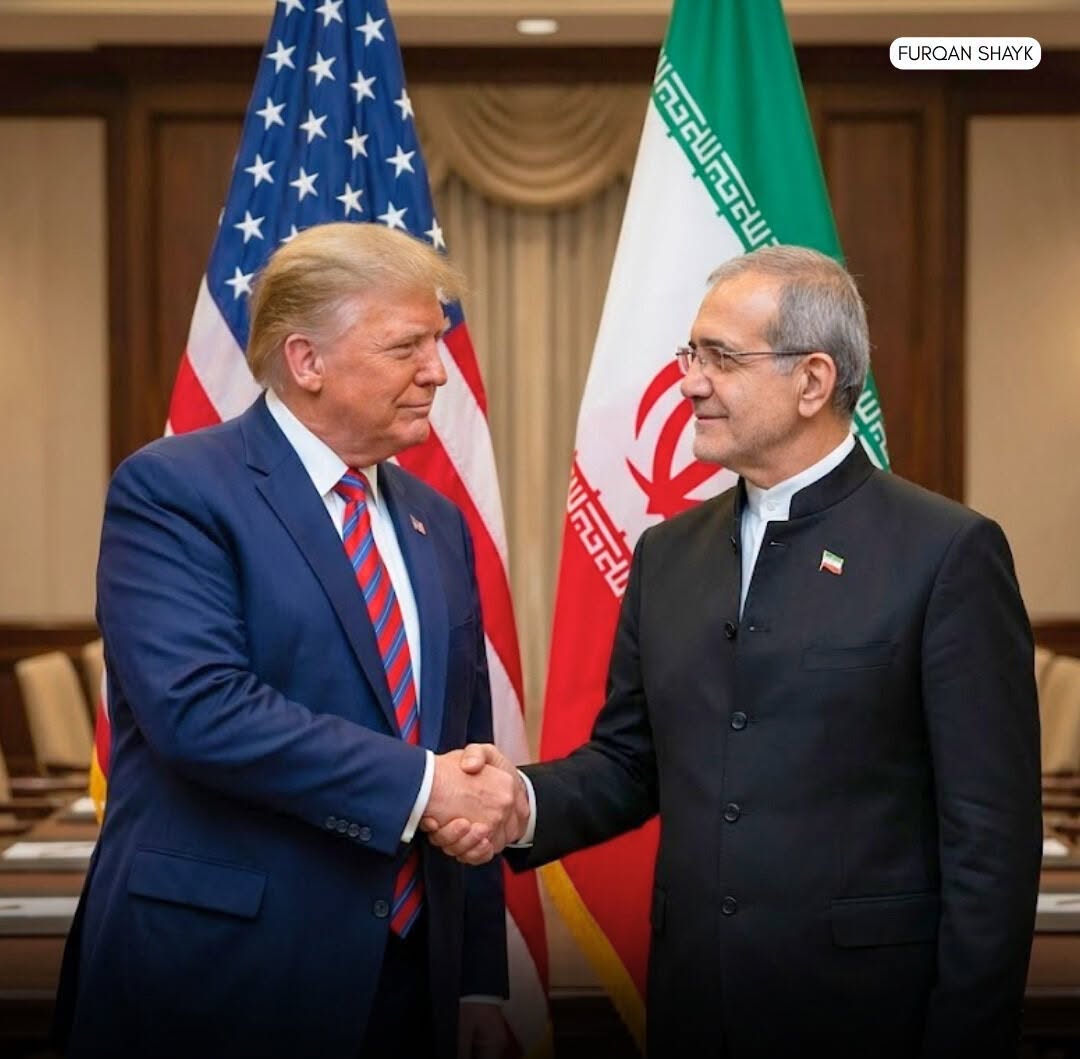
It had been a long time coming. For months, diplomats and mediators danced around it, back-channel talks broke down, and deadlines came and went. Yet on June 17, at the Palace of Versailles, Donald Trump and Emmanuel Macron sat side by side as the US and Iran finally put pen to paper. Trump did not dress it up: ‘I just signed it. This was not easy.‘
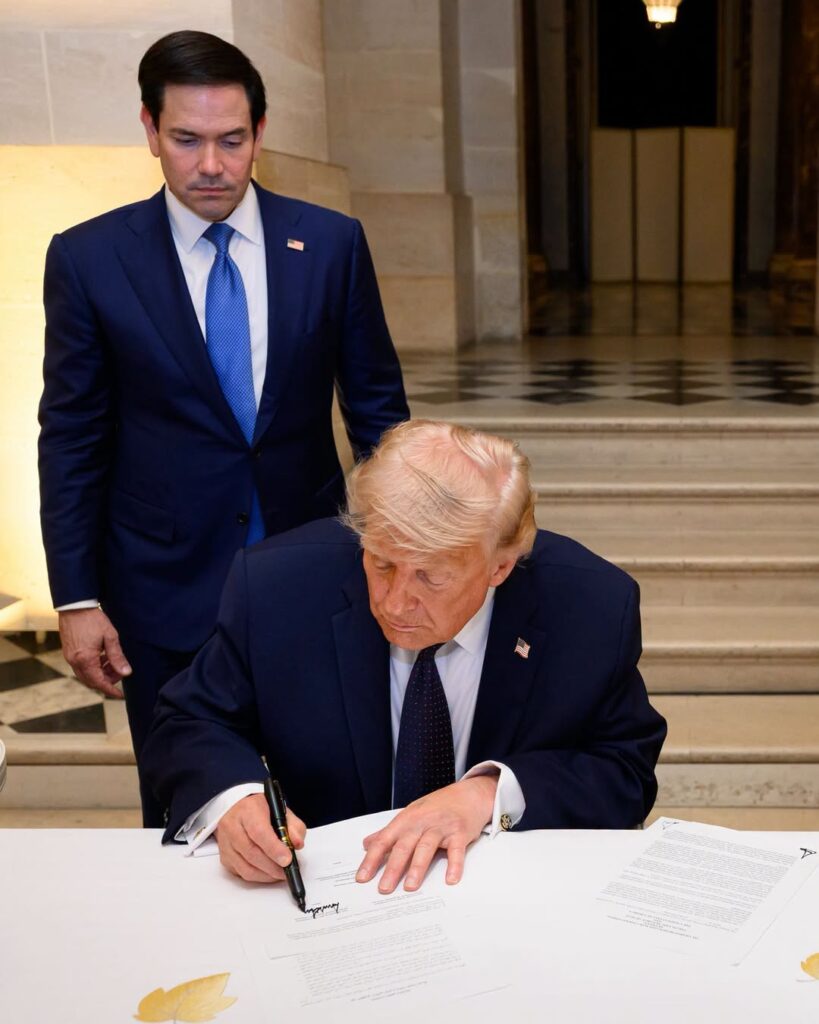
So what exactly did he sign — and why does it matter now? US authorities put out the full text shortly after. It runs to 14 points. Let’s dig in.
Point 1: Lay Down Your Arms — Lebanon Included
Point 1 cuts straight to it: the immediate and permanent end of all military operations across every front. Furthermore, it calls out Lebanon by name.
Israel has been going hard in Lebanon for months — relentless operations, mounting civilian casualties, no sign of letting up. Nevertheless, Israel never signed off on this deal. As a result, when the ink dried, Tel Aviv pushed back hard and fast.
Reuven Azar, Israel’s Ambassador to India, did not mince his words: “We are not going to withdraw. We will stay there.” He then piled on: “This text does not include all the things that Israel is concerned about.” To round it off, he drew a hard line: “Iran is not going to be able to dictate the future of Lebanon.”
In other words, right out of the gate, the deal runs into its biggest obstacle. What Washington signed up for and what Tel Aviv is willing to go along with are, in fact, two very different things.
Points 4 & 5: The Strait of Hormuz Opens Back Up
Meanwhile, Washington commits to pulling back its naval blockade within 30 days. Tehran, in turn, will clear the way for commercial vessels to pass through free of charge for 60 days — back and forth between the Persian Gulf and the Sea of Oman.
This matters enormously. After all, roughly 20 percent of the world’s oil supply passes through the Strait of Hormuz. Since the beginning of the conflict earlier this year (February 28, 2026), both sides played cat and mouse there, turning shipping lanes into a geopolitical chess board. Now, however, they are standing down — and consequently, global energy markets will pick up on that straight away.
Point 6: $300 Billion on the Table — and Sanctions Gone
Point 6 is where the real money kicks in. Specifically, the deal lays out a reconstruction and economic development plan for Iran worth at least $300 billion. On top of that, Washington is wiping the slate clean on all sanctions — arms embargoes, bans on nuclear-related materials and technology, asset freezes on companies and individuals — all of it gone.
These restrictions have been piling up for years, before the February US-Israel joint air operations. Therefore, sweeping them away in one go is a dramatic about-turn — and one that Washington’s Gulf allies will not be rushing to applaud.
Nuclear: Tehran Draws Its Own Red Line
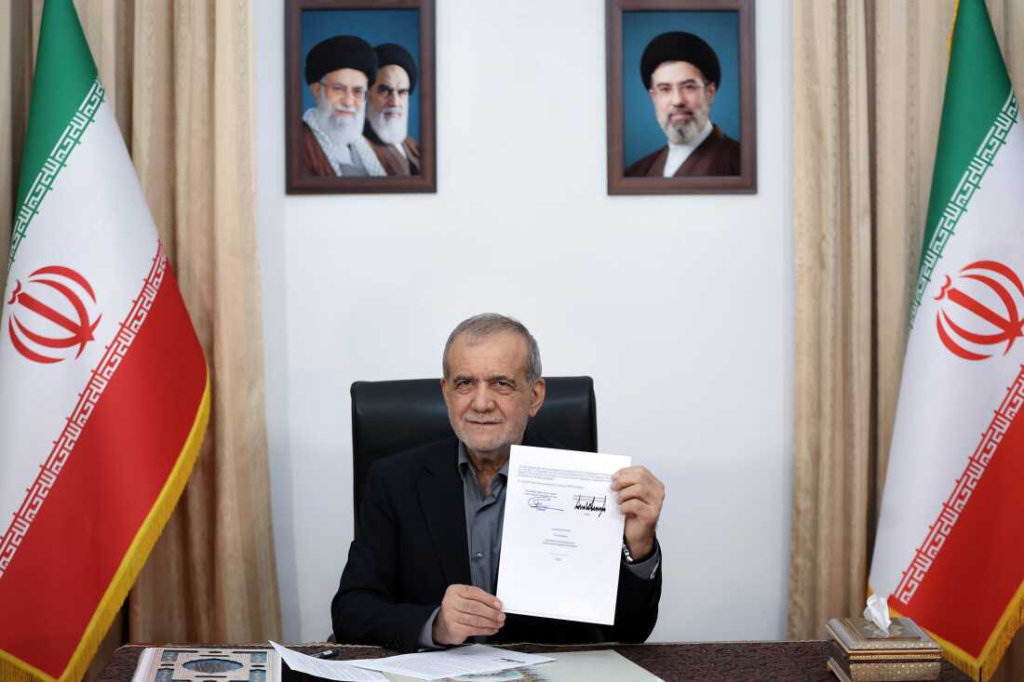
The deal shuts the door on Iran developing ballistic missiles capable of carrying nuclear warheads. Beyond that, Tehran formally reaffirms it will not go after nuclear weapons — full stop. As a result, any future nuclear programme must fall under IAEA oversight, meaning the International Atomic Energy Agency keeps a close eye on everything going forward.
Whether that reassurance holds up under scrutiny in Washington, Riyadh, or Tel Aviv is, of course, another matter entirely. Still, it is on the record now.
Point 2: Stay Out of Each Other’s Business
Similarly, both sides sign up to respecting each other’s sovereignty and keeping their noses out of each other’s internal affairs. On paper, that sounds straightforward. In practice, though, it is a tall order for two countries that have been at each other’s throats — directly and through proxies — for over 40 years.
Points 3, 12 & 14: The Clock Is Ticking
Point 3 gives both sides 60 days to hammer out a final deal — extendable only if both agree. Meanwhile, Point 12 sets up a monitoring mechanism to ensure neither side tries to wriggle out of its commitments. Most critically, Point 14 ties the final agreement to a binding UN Security Council resolution — which means no future government can simply tear it up and walk away.
Now the Hard Part Kicks In
The MOU is signed and sealed. Nevertheless, Israel is not playing ball — at least not yet. Additionally, the Lebanon clause is still hanging in the air, unresolved. The monitoring body has to be set up from scratch, and both sides still need to follow through on 60 days of high-stakes negotiations while the world watches every move.
