By Aisha DUWAI ALI


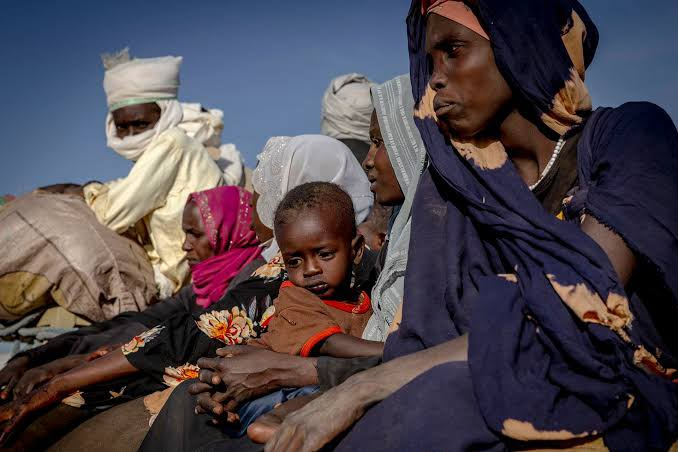
Today is World Refugee Day. A day the UN set aside to honor the strength of people forced to flee their homes because of war, violence, or persecution.

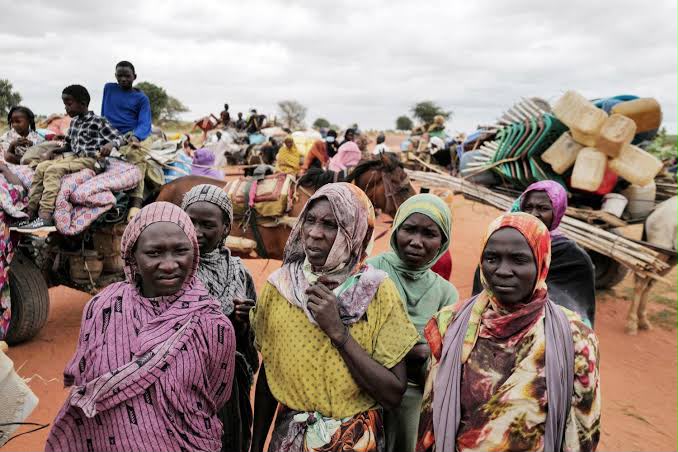
Here in Chad, this day resonates deeply. Chad hosts over 1 million refugees — from Central African Republic, Sudan, and Cameroon. Some have been here 20 years. Some arrived last month. They didn’t choose to leave. They chose to survive.
The theme this year is “Solidarity with Refugees.” But solidarity isn’t just a word.

It’s sharing water when it’s scarce. It’s allowing a new child into schools. It’s listening to a story that’s hard to hear.

Refugees don’t seek charity. They seek a chance. A chance to work, to contribute, to rebuild. And when they get it — whole communities get stronger.


Chad has long understood this. For decades, borders have remained open when neighbors needed safety. That has not always been easy. But it reflects Chad’s established policy.

So today, World Refugee Day, it’s worth remembering: Nobody chooses to be a refugee But everyone can choose how to respond.

For refugees in Chad today — the message from World Refugee Day is: you are not alone. You are seen. You are supported.

Djinodji Solmengar

Djinodji Solmengar Rodrigue is a journalist with MRTV English, Chad’s first English-language media outlet, where he led English-language news coverage at its launch. Based in N’Djamena, his reporting explores political, economic, and social developments, with particular attention to everyday realities, informal sectors, and cultural life. His work also extends to football and broader societal issues, approached through field reporting and in-depth storytelling. Beyond reporting, Djinodji regularly conducts interviews focused on education, including the teaching of English in Chad, as well as conversations (with AFROTRONIX, to name a few) on culture and music. He is also active as an English–French interpreter, working alongside international media professionals. In this capacity, he recently supported and interpreted for a delegation of foreign journalists, including BBC representatives, during the PND Chad Connexion 2030 mission. Alongside his professional practice, Djinodji is pursuing a PhD, with research centered on the presence of China and Russia in Africa as portrayed in selected Commonwealth online media. His academic interests lie at the intersection of media, geopolitics, and discourse analysis. Earlier in his career, he taught English and authored a Master’s thesis examining the contextualization of English language teaching in Chad, reflecting a sustained engagement with educational challenges and policy.